
Stepping into a gym, most people focus on the equipment or the workout ahead, rarely sparing a thought for what’s beneath their feet. But the flooring that supports every step, jump, and lift is one of the most critical elements of a safe and effective fitness environment. Whether you’re into weightlifting, yoga, or high-energy cardio sessions, the right gym flooring directly impacts your safety, enhances your performance, and ensures the longevity of the space.
From durable rubber to sleek vinyl, the variety of gym flooring options available today can meet the unique demands of every fitness activity. Each material is designed with specific purposes in mind—whether it’s cushioning for joints, slip resistance, or shock absorption under heavy weights. Choosing the right type is more than a functional decision; it’s an investment in the success and safety of your fitness space.
Curious about which flooring suits your needs best and why it matters? Stick around—this guide will walk you through everything you need to know about gym flooring, from types and benefits to maintenance tips and innovations that are changing the game.
The Core of a Great Gym Space – Gym Flooring
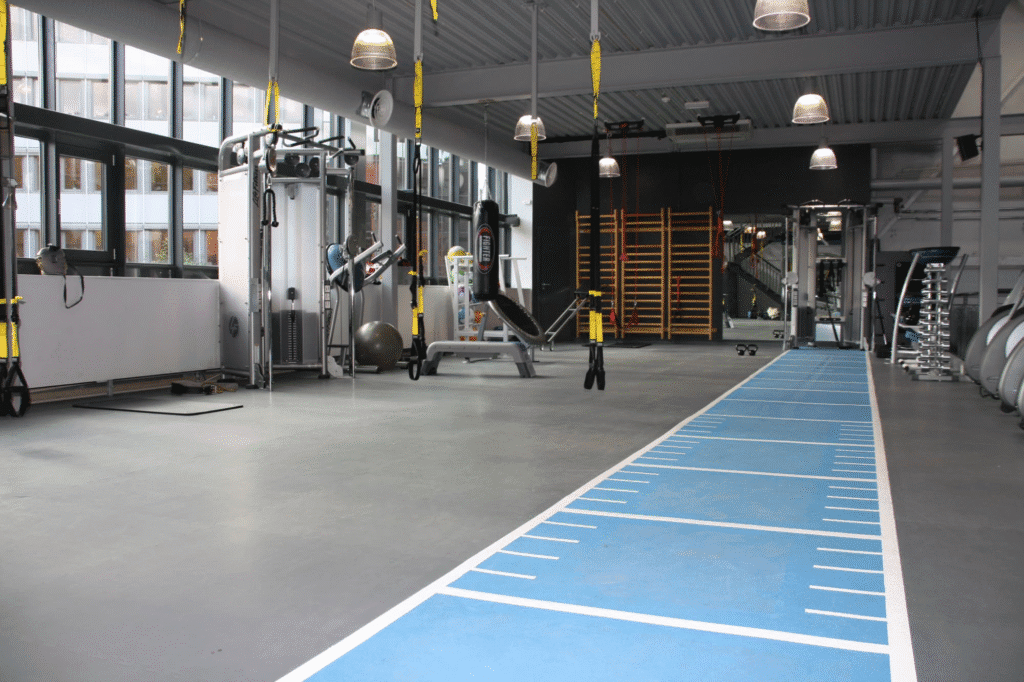
A gym is much more than just the equipment and workout routines—it’s the environment that sets the tone for user experiences and safety. Gym flooring, often overlooked, is a fundamental component that supports these experiences. From protecting athletes during high-impact exercises to providing the proper surface for yoga poses, the right flooring ensures that every activity is performed with safety, comfort, and efficiency in mind.
Below, we’ll explore why gym flooring is crucial, break down the various types of gym flooring, highlight factors to consider when choosing the right one, and share maintenance tips to maximize its lifespan.
The Importance of Gym Flooring
Protecting Users From Injuries
Gym flooring plays a vital role in minimizing injuries. Whether it’s heavy equipment being dropped or athletes performing fast-paced, high-impact movements, the right flooring absorbs shock and reduces strain on joints. A durable, slip-resistant surface can prevent common gym injuries like ankle sprains or back strain, especially in areas dedicated to cardio or weightlifting.
Enhancing Performance
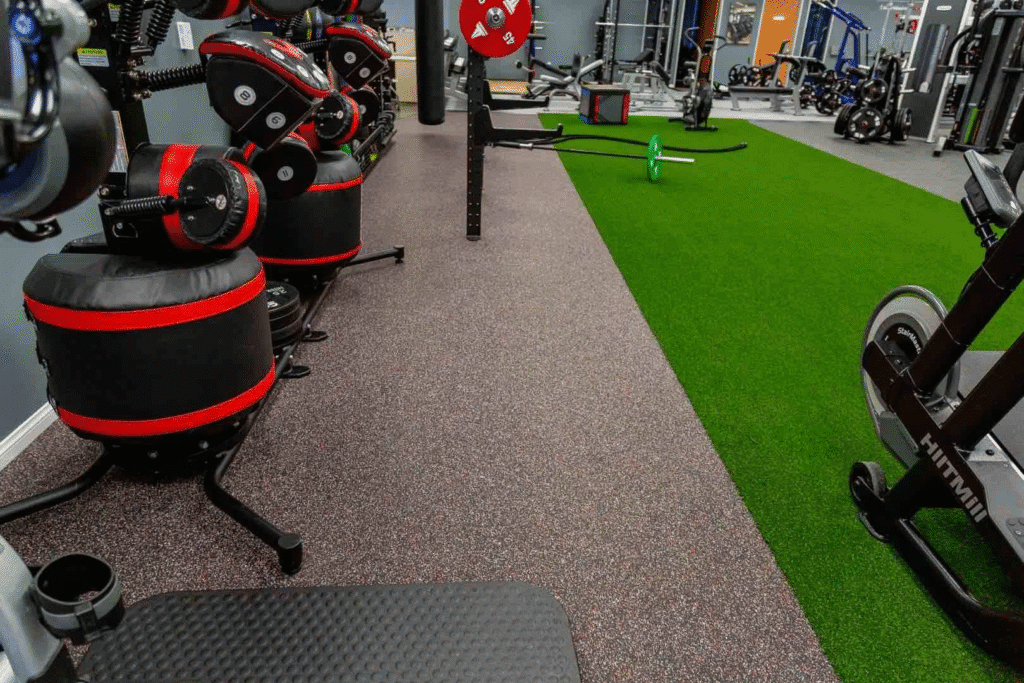
Different activities require different levels of grip, cushioning, and traction. Flooring designed for specific purposes allows gym-goers to perform at their best. For instance, rubber flooring offers stability for powerlifting, while turf surfaces provide the appropriate resistance for pushing sleds during functional training. The right flooring is an enabler of peak performance.
Protecting Equipment and Facility Infrastructure
The wrong flooring can lead to damage—not just to users but also to expensive equipment and the gym’s infrastructure. Durable surfaces like rubber or vinyl absorb impact from weights and high-traffic usage, preventing cracks in the subfloor or chips in the equipment.
Building the Right Environment
Besides performance and safety, flooring significantly contributes to the ambiance of the gym. Gym-goers appreciate spaces that look and feel intentional, with flooring that matches the gym’s branding and functional zones. Appropriate design cues, such as vinyl flooring in bright, motivating colors or turf simulated for outdoor vibes, improve the overall experience.
Types of Gym Flooring
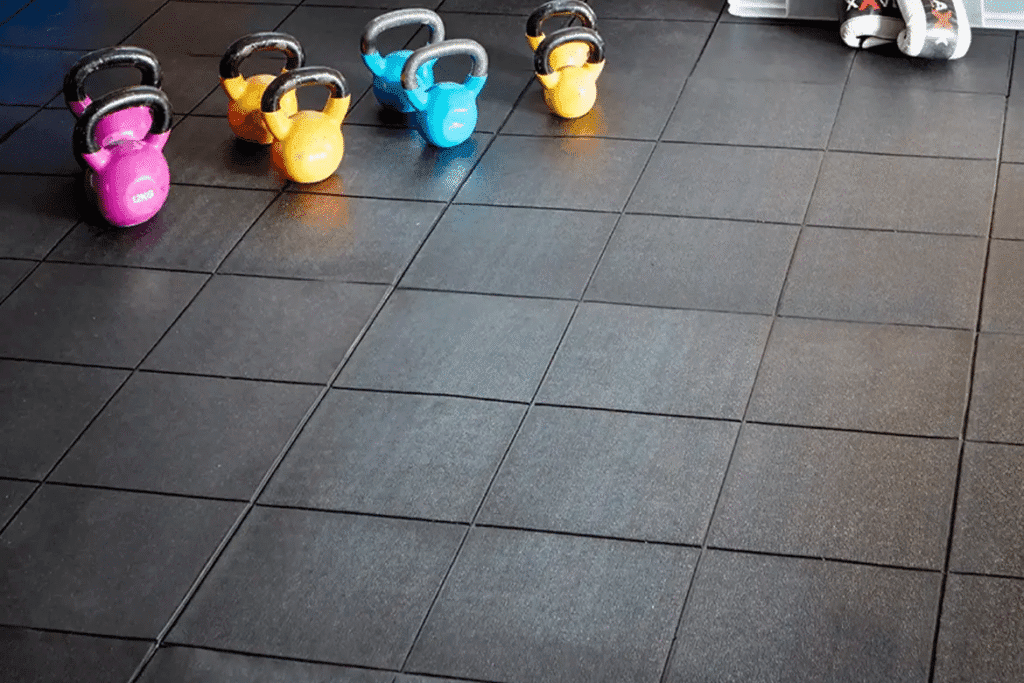
1. Rubber Flooring
Rubber flooring is arguably the most versatile and popular option for gyms.
- Key Features and Benefits
- Excellent durability for heavy usage.
- High shock absorption, perfect for weightlifting zones.
- Provides sound dampening in busy gym environments.
- Slip-resistant, reducing the risk of falls or accidents.
- Best Applications
- Weightlifting areas, cardio spaces, and general-purpose zones.
- Interlocking rubber tiles are ideal for gyms requiring modular setups.
- Real-World Example
Many CrossFit gyms use thick rubber flooring to withstand heavy weights and protect concrete subfloors from damage.
2. Foam Flooring
Foam flooring provides a softer, lightweight alternative to rubber and is specifically suited for low-impact activities.
- Key Features and Benefits
- Lightweight and portable—ideal for temporary setups.
- Cushioned for comfort during stretching or floor exercises.
- Cost-effective compared to other materials.
- Best Applications
- Yoga, pilates, stretching areas, or home gyms.
- Real-World Example
High-end yoga studios often use high-density, textured foam mats, which provide just the right balance of comfort and stability.
3. Vinyl Flooring
Vinyl flooring is a favorite for gym owners seeking an affordable, versatile option with clean visuals.
- Key Features and Benefits
- Water-resistant and easy to clean after heavy usage.
- Comes in various colors and designs to create aesthetically pleasing gym zones.
- Provides moderate cushioning for cardio and group exercise sessions.
- Best Applications
- Aerobic studios, functional training zones, and multi-purpose gyms.
- Real-World Example
Many group fitness studios choose vinyl flooring for aerobic sessions, thanks to its lightweight design and moisture resistance.
4. Turf Flooring
Artificial turf creates dynamic spaces for advanced, functional fitness exercises.
- Key Features and Benefits
- Mimics the feel of a natural grass surface, excellent for sled pushes and agility drills.
- Durable enough for heavy foot traffic and weighted drills.
- Adds visual variety to gyms that aim for a more dynamic, outdoor-inspired environment.
- Best Applications
- Functional fitness zones or athletic training centers.
- Real-World Example
Professional athletic facilities often install artificial turf to train football players and sprinters year-round.
5. Hardwood Flooring
Timeless and elegant, hardwood flooring suits high-end gyms and specific indoor sports.
- Key Features and Benefits
- Provides excellent responsiveness for sports like basketball.
- Durable surface with proper shock resistance.
- Offers a professional, polished aesthetic.
- Best Applications
- Basketball courts, dance studios, or luxurious fitness spaces.
- Real-World Example
Boutique fitness studios offering dance classes often invest in high-quality maple hardwood for its responsiveness and aesthetic.
Factors to Consider When Choosing Gym Flooring
Activity Type
The flooring must fit the activities performed in the area. Heavier impact zones, such as weightlifting stations, benefit from thick rubber flooring for durability and shock absorption. Low-intensity zones like yoga spaces can use softer foam or cork.
Durability
Constant foot traffic and heavy weights can wear down low-quality materials quickly. Choose flooring designed for high-impact use if it will experience frequent wear and tear.
Safety
Safety should always be a priority. Anti-slip and shock-absorbing properties are essential, particularly in zones with fast-paced activities or potential equipment drops.
Maintenance Requirements
Surfaces that require minimal maintenance can save gym owners significant time and costs. Options like vinyl or rubber floors are easier to clean than materials like hardwood.
Noise Reduction
Busy gyms can get noisy, so flooring solutions that dampen sound—like rubber or foam—can enhance the workout environment.
Aesthetic and Branding
Choose flooring that aligns with your gym’s branding and enhances its visual appeal. Bold colors for functional zones or natural wood tones for calm yoga spaces can transform the gym’s vibe.
Budget
While some materials come with a higher initial cost, their longevity and performance often make them a worthwhile investment. Always balance upfront costs with durability to avoid frequent replacements.
Maintenance Tips for Longevity
To get the most out of your gym flooring and keep it in top condition, follow these maintenance tips:
Daily Cleaning
- Sweep or vacuum rubber, vinyl, or foam flooring daily to remove dust and debris.
- Mop with pH-neutral cleaners to avoid damaging finishes.
Preventative Measures
- Use gym mats or protective pads under heavy equipment to reduce wear and tear.
- Encourage users to follow gym rules like clean shoes or handling equipment carefully.
Regular Inspections
- Check for damage, such as cracks, loose tiles, or worn areas.
- Replace or repair damaged sections promptly to maintain safety.
Annual Care
- Deep clean surfaces or refinish hardwood flooring annually for added shine and durability.
- Follow manufacturer guidelines to ensure proper care, including using recommended cleaning products.
Final Thoughts
Putting thought into gym flooring goes beyond aesthetics—it’s a decision that affects safety, durability, performance, and the overall success of your fitness space. Whether it’s rubber’s resilience, hardwood’s elegance, or turf’s athletic appeal, there’s a flooring solution for every activity and budget.
With the right materials and proper maintenance, gym flooring transforms into an unyielding foundation for every movement and milestone achieved by its users.
FAQ’s
What is the importance of gym flooring?
Gym flooring is essential for safety, performance, and durability. It absorbs shock, reduces injury risks, protects equipment, and enhances athlete performance. The right flooring also supports proper movement and creates a professional ambiance in the gym.
What types of materials are commonly used for gym flooring?
Rubber: Durable, shock-absorbing, and slip-resistant.
Foam: Lightweight and cushioned for low-impact activities.
Vinyl: Moisture-resistant and easy to clean, ideal for group exercise zones.
Artificial Turf: Perfect for functional training and sled pushes.
Hardwood: Offers polished aesthetics and great for sports like basketball or dance.
How do I choose the right flooring for my gym?
Match the flooring to the activity (e.g., rubber for weightlifting, turf for functional training).
Consider room traffic and durability needs.
Prioritize safety with slip-resistant and shock-absorbing surfaces.
Align the flooring with your budget and maintenance capabilities.
What factors should I consider when budgeting for gym flooring?
Material type (e.g., rubber is costlier but lasts longer than foam).
Size of the area to be covered.
Installation costs, which vary by material.
Maintenance needs that could increase long-term expenses.
How do I maintain gym flooring?
Sweep or vacuum daily to remove dust and debris.
Mop with a pH-neutral cleaner to avoid surface damage.
Inspect regularly for wear and replace damaged sections promptly.
Use protective mats under heavy equipment to reduce impact.