
Indian summers are no joke. When temperatures soar beyond 40°C in many parts of the country, the heat doesn’t just test players—it tests the court itself. That’s exactly why learning How to Maintain a Tennis Court During Indian Summers becomes essential for every facility owner and manager. Whether you manage a residential court, a school facility, or a professional club, understanding how extreme summer conditions affect your tennis court is the first step toward protecting your investment.
Let’s be honest: a tennis court is like a living surface. It expands, contracts, dries out, and absorbs stress depending on the weather. During Indian summers, intense sunlight, high UV radiation, hot winds, and dust storms create a perfect storm of wear and tear. Without proper maintenance, even a well-built court can start showing signs of damage in just one season.
Table of Contents
Extreme Heat and UV Exposure
Imagine standing barefoot on a hard court in May afternoon heat. It’s scorching, right? Now think about that surface absorbing heat for 8–10 hours every day. Continuous UV exposure breaks down surface coatings, fades colors, and weakens binding materials—especially in acrylic hard courts. Over time, this can cause surface brittleness, peeling, and micro-cracks.
Clay courts suffer differently. Excessive heat dries out moisture rapidly, causing the surface to become powdery and uneven. Lines may loosen, and the ball bounce becomes unpredictable. UV rays also weaken synthetic turf fibers, making them brittle and prone to breakage.
The key takeaway? Heat doesn’t just sit on the surface—it penetrates and stresses the structure underneath.
Dust, Dry Winds, and Dehydration of Surfaces
In many Indian regions, summer also means dry winds and dust storms. North India, for instance, frequently experiences “loo”—intensely hot winds that suck moisture from everything in their path. For clay courts, this means constant dehydration. If you skip watering even for a day, the surface can crack or turn too loose.
Dust accumulation is another hidden enemy. It settles on hard courts, reducing traction and making the surface slippery. Over time, dust particles act like sandpaper under players’ shoes, gradually wearing down the top layer.
Regional Climate Differences Across India
India’s climate isn’t uniform. Coastal cities like Chennai and Mumbai deal with humidity along with heat. Rajasthan faces extreme dry heat. Bengaluru experiences relatively moderate summers but still sees surface expansion. Understanding your region’s unique conditions helps tailor your maintenance routine effectively.
So before jumping into maintenance techniques, remember this: summer care isn’t optional—it’s survival. A proactive approach saves money, reduces repair costs, and ensures players enjoy consistent performance all season long.
Types of Tennis Courts in India and Their Summer Challenges
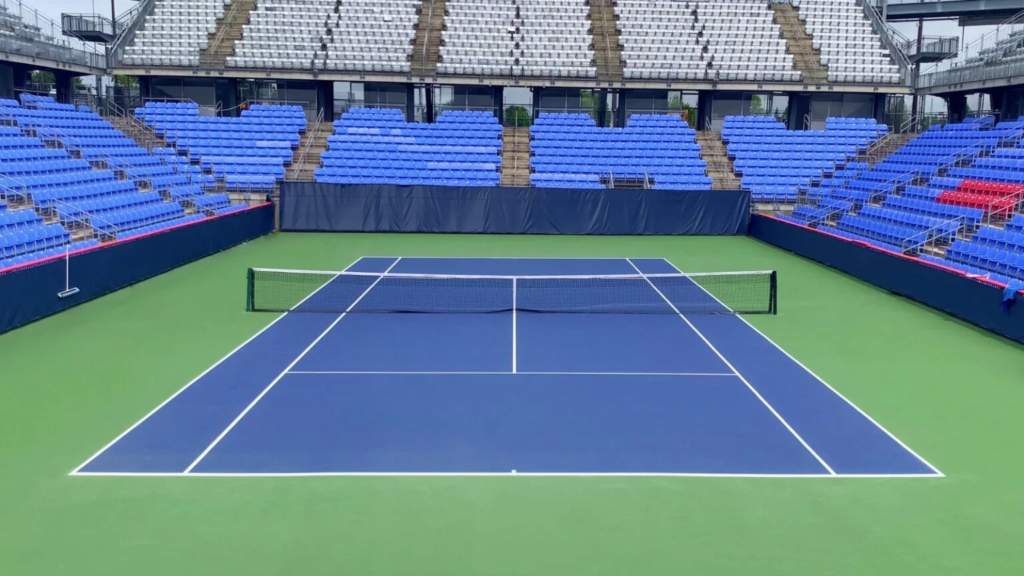
Not all tennis courts react to summer the same way. Think of it like skincare—what works for oily skin won’t work for dry skin. Similarly, clay, hard, and synthetic courts each demand different care strategies during Indian summers.
Understanding your court type is crucial because maintenance techniques vary dramatically. Treating a clay court like a hard court can cause irreversible damage—and expensive repairs.
Clay Courts
Clay courts are popular in many clubs across India due to their affordability and player-friendly surface. But during summer? They require constant attention.
Clay surfaces depend heavily on moisture balance. Too dry, and the court becomes dusty, loose, and uneven. Too wet, and it becomes sticky and slow. Indian summer heat accelerates evaporation, meaning daily watering is not a luxury—it’s a necessity.
Common summer issues with clay courts include:
- Surface cracking
- Loose top layer
- Faded court lines
- Uneven bounce
- Dust clouds during play
Without proper rolling and watering, the surface can quickly deteriorate. The biggest challenge? Maintaining consistency throughout the day. Morning watering may not be enough when temperatures peak in the afternoon.
Hard Courts (Acrylic / Concrete)
Hard courts are durable—but not invincible. Acrylic surfaces expand in heat and contract at night. This constant expansion-contraction cycle can lead to hairline cracks over time.
Another major issue is color fading. UV exposure breaks down pigments, causing courts to lose their vibrant blue or green shades. Besides aesthetics, fading often signals surface weakening.
Surface bubbling or peeling may also occur if the coating wasn’t applied properly or if moisture gets trapped underneath.
The upside? Hard courts require less daily maintenance compared to clay. The downside? When damage appears, repairs can be costly.
Synthetic and Artificial Grass Courts
Synthetic courts are relatively newer in Indian residential complexes and schools. While they handle heat better than clay, UV radiation can make fibers brittle over time.
Infill materials (like sand or rubber granules) can overheat, making the surface uncomfortable. Dust accumulation can also affect ball speed and player grip.
The lesson here is simple: identify your court type and customize your summer maintenance plan accordingly. There is no one-size-fits-all approach.
Daily Maintenance Routine for Summer Months
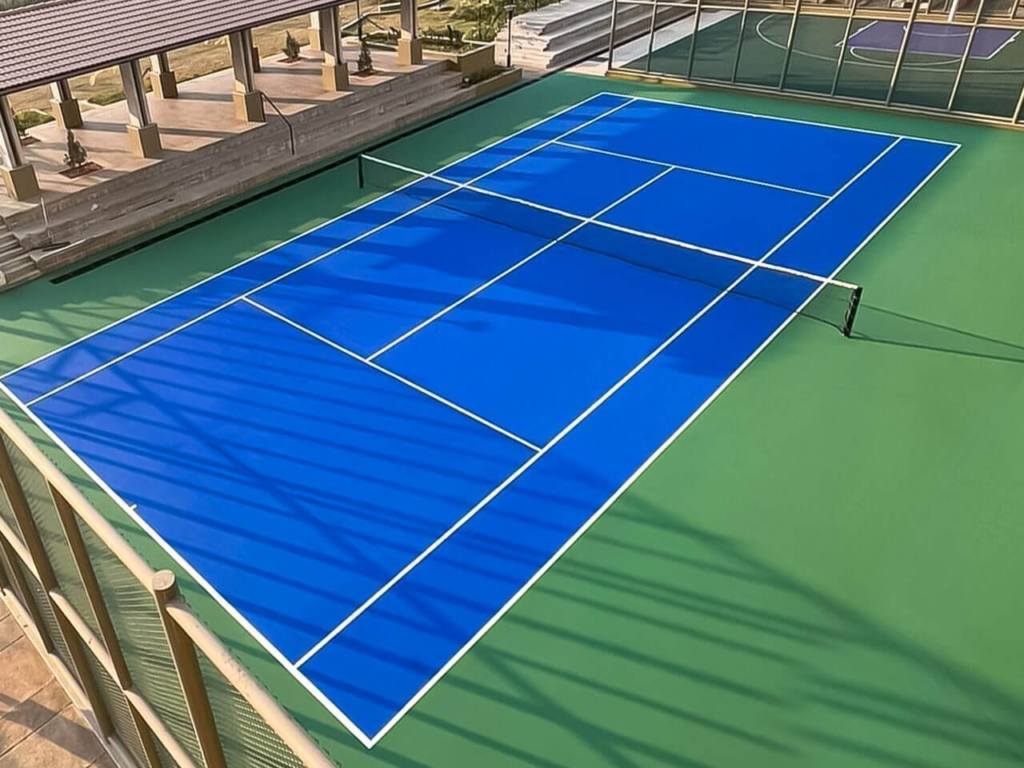
If you want your tennis court to survive Indian summers, consistency is your best friend. Think of daily maintenance like brushing your teeth. Skip it once, and you may not notice much. Skip it repeatedly, and the damage becomes obvious—and painful.
A well-planned daily routine prevents minor issues from becoming major repairs.
Morning Inspection Checklist
Early mornings are the best time to inspect your court. Before players step in, walk around slowly and observe the surface.
Look for:
- Surface cracks
- Loose clay patches
- Dust accumulation
- Net sagging
- Fence damage
- Line displacement
Touch the surface. Does it feel excessively dry? Too rough? Uneven? Small observations can save thousands in repairs later.
For clay courts, check moisture levels by pressing your foot gently into the surface. It should feel firm but slightly damp underneath—not powdery.
For hard courts, look for developing cracks. Catching them early allows you to seal them before they spread.
Cleaning, Sweeping, and Debris Removal
Dust and debris are summer’s constant companions. Daily sweeping is essential, especially for hard and synthetic courts. Use a soft broom or blower to remove dust, leaves, and sand particles.
For clay courts, drag brushing after play helps redistribute the top layer evenly. This prevents dips and uneven ball bounce.
A weekly wash using mild water spray (for hard courts) can help reduce dust buildup. Avoid harsh chemicals—they can damage the surface coating.
Monitoring Surface Temperature
Have you ever checked how hot your court actually gets? On peak summer afternoons, hard courts can reach 55–65°C. Excessive heat not only affects players but also stresses the material.
If possible, use an infrared surface thermometer to monitor temperature. Scheduling play during early mornings and late evenings reduces thermal stress.
A daily maintenance routine may sound simple, but its impact is powerful. It extends court life, improves player safety, and keeps performance consistent—even in 45°C heat.
Watering Techniques for Clay Courts
If clay courts had a love language, it would be water. During Indian summers, watering isn’t just maintenance—it’s survival. Miss it for even a day in peak May heat, and you’ll see the surface turn dusty, loose, and unpredictable. The trick, however, is balance. Too little water dries the court. Too much water weakens it. So how do you get it just right?
When and How Much to Water
Early morning watering is non-negotiable. Ideally, watering should be done before sunrise or just after, when evaporation rates are lower. This allows moisture to penetrate deep into the base instead of simply evaporating off the top layer.
In extremely hot regions like Delhi, Rajasthan, or Nagpur, watering twice a day may be necessary—once in the early morning and once late evening. The goal is to maintain consistent moisture beneath the surface, not just dampen the top.
Here’s a simple rule of thumb:
- Surface should feel firm underfoot.
- No visible puddles.
- Slight moisture detectable 1–2 cm below the top layer.
Watering lightly and frequently works better than heavy, occasional soaking. Think of it like watering plants—you wouldn’t flood them once a week and expect them to thrive.
Avoiding Overwatering and Surface Damage
Overwatering can be just as harmful as dehydration. Too much water softens the surface, leading to footprints, uneven patches, and algae growth. It also weakens the base layer over time.
Signs of overwatering include:
- Sticky or muddy surface
- Ball bounce becoming slow and inconsistent
- Greenish discoloration (algae formation)
If you notice these, reduce watering frequency and allow the court to dry naturally before play resumes.
Efficient Irrigation Systems
Manual hose watering works, but automated sprinkler systems offer consistency. Installing timed irrigation ensures even coverage and reduces water wastage—especially important in regions facing water scarcity.
Drip-edge systems and fine-spray sprinklers work best for clay courts. They prevent surface erosion while ensuring deep penetration.
In short, treat water like medicine. The right dose heals. The wrong dose harms.
Protecting Hard Courts from Heat Damage
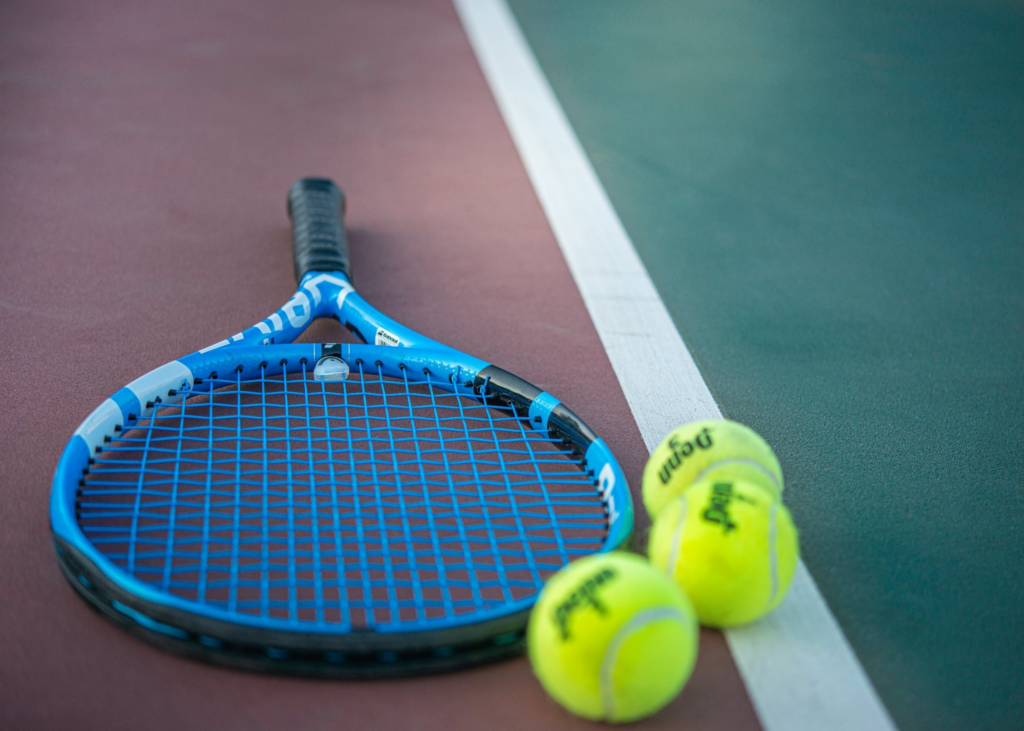
Hard courts may look tough—and they are—but Indian summers can test their limits. Prolonged exposure to extreme heat causes expansion, fading, and structural stress. Without preventive care, cracks can develop faster than you’d expect.
Preventing Surface Cracks
Cracks usually start small—almost invisible hairline fractures. But under continuous expansion and contraction, they widen quickly.
To prevent this:
- Conduct monthly crack inspections during summer.
- Seal minor cracks immediately using acrylic crack fillers.
- Ensure proper drainage around the court to prevent water seepage.
Heat expands concrete during the day and contracts it at night. This daily thermal cycle weakens joints and surface layers. Expansion joints should be checked regularly to ensure they are functioning correctly.
If ignored, small cracks can turn into expensive resurfacing projects.
Repainting and Resurfacing Tips
UV rays gradually break down surface coatings. If your court looks faded or chalky, it might be time for resurfacing.
In India, resurfacing every 4–6 years is common, but courts exposed to extreme heat may need attention sooner. Always choose UV-resistant acrylic coatings specifically designed for tropical climates.
Light-colored coatings can also help reduce surface temperature. Dark blue courts absorb more heat compared to lighter green or pastel shades.
Using Shade and Cooling Methods
Installing shade structures around seating areas and partial court covers can reduce direct sun exposure. Some clubs even use misting systems to cool surrounding air during peak hours.
While fully covering a court may not be practical, planting trees strategically around the facility can provide natural cooling. Just ensure leaves and roots don’t create new maintenance issues.
Hard courts reward preventive care. A little attention now saves a lot of money later.
Net, Fence, and Equipment Care in Extreme Heat
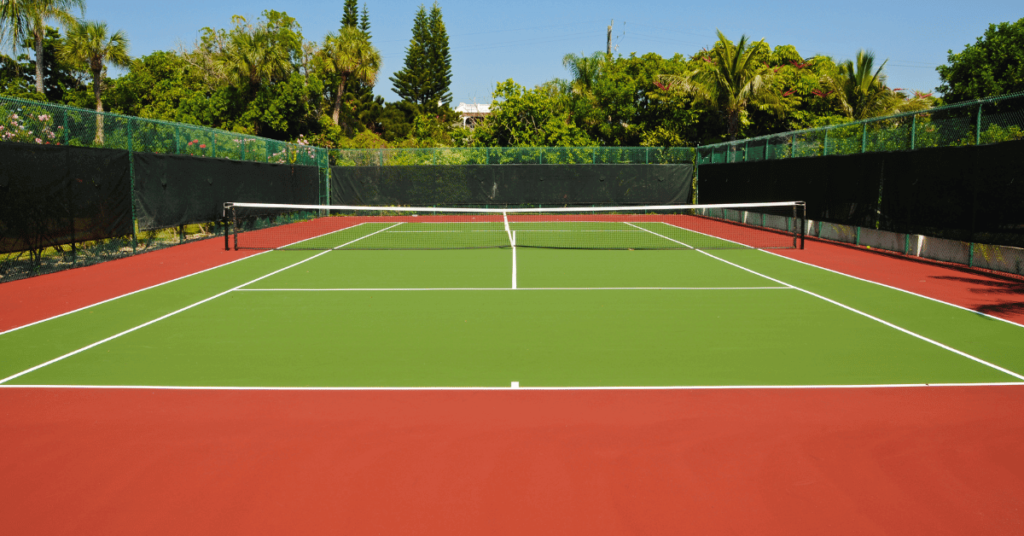
Most people focus only on the playing surface—but what about everything around it? Nets, fences, and accessories also suffer under the blazing Indian sun.
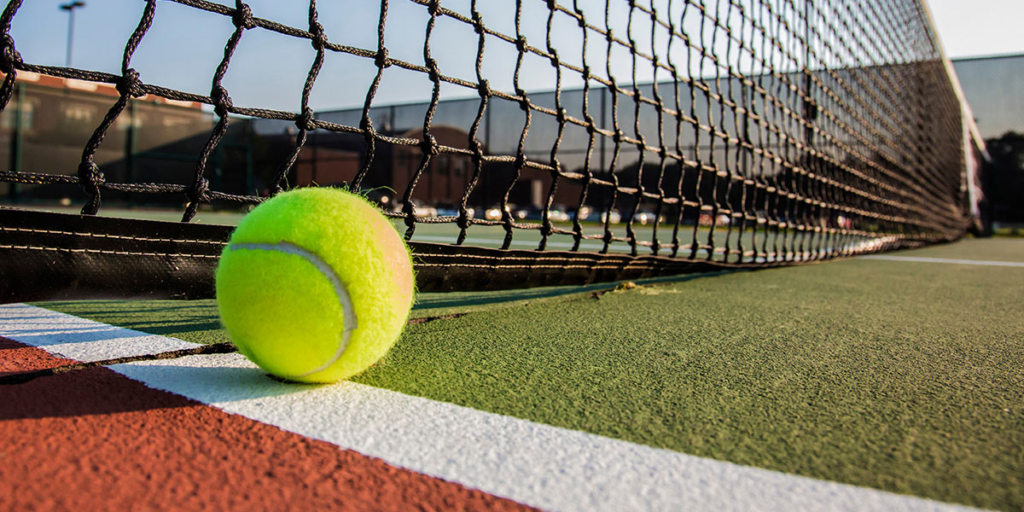
Net materials weaken under UV exposure. Over time, they become brittle and sag. Regularly check tension and adjust accordingly. If the net feels stiff or shows fraying, consider replacing it before it snaps mid-match.
Metal fences expand in heat. Loose bolts and joints are common during summer. Inspect perimeter fencing monthly and tighten any loose fasteners. Rust formation accelerates in coastal regions due to salt-laden air combined with heat.
Benches, umpire chairs, and scoreboards also need attention. Plastic seating may crack under constant sun exposure. Using UV-protected outdoor furniture extends durability.
Storage matters too. Keep balls, training cones, and other accessories in shaded, ventilated areas. Tennis balls stored in extreme heat lose pressure faster, affecting gameplay quality.
Taking care of surrounding infrastructure ensures the entire facility remains professional and safe.
Managing Player Comfort and Court Usage Timing
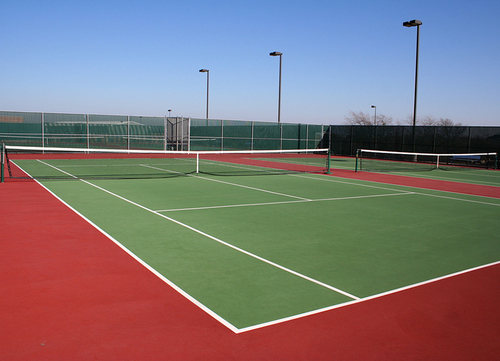
A well-maintained court means little if players can’t use it comfortably. During Indian summers, scheduling becomes part of maintenance strategy.
The safest playing windows are:
- Early mornings (5:30 AM – 9:00 AM)
- Late evenings (5:30 PM – 8:30 PM)
Avoid peak afternoon sessions unless absolutely necessary. High surface temperatures increase risk of dehydration, heatstroke, and muscle fatigue.
Encourage players to:
- Stay hydrated
- Use caps and UV-protection gear
- Take short breaks between sets
Some clubs introduce summer-specific court rules, limiting continuous play during extreme heat warnings.
Comfort also protects the court. Reduced afternoon usage lowers surface stress during peak thermal expansion hours.
It’s a win-win.
Seasonal Repairs and Preventive Maintenance
Summer is not just about daily upkeep—it’s also about strategic intervention.
Before summer begins:
- Fill cracks
- Repaint faded lines
- Repair drainage systems
- Replace damaged nets
Mid-summer inspections help detect emerging issues early. Schedule professional evaluation at least once during peak season.
Post-summer assessment is equally important. Heavy monsoon rains following extreme heat can worsen unnoticed structural weaknesses.
Preventive maintenance always costs less than corrective repairs. Think long-term, not reactive.
Budget-Friendly Maintenance Tips for Clubs and Schools
Not every facility has unlimited funds. Schools and small clubs often operate on tight budgets. The good news? Smart planning reduces costs significantly.
Here are practical ways to save:
- Train in-house staff for basic maintenance
- Use manual drag mats instead of expensive machines
- Schedule volunteer maintenance days
- Purchase materials in bulk before peak season
Water management is crucial. Installing efficient irrigation systems reduces long-term water bills.
Regular maintenance might seem like added expense, but skipping it leads to expensive resurfacing later. It’s like servicing a car—small investments prevent major breakdowns.
Common Mistakes to Avoid During Indian Summers
Even experienced facility managers make mistakes. Avoid these common pitfalls:
- Ignoring small cracks
- Overwatering clay courts
- Skipping daily sweeping
- Using harsh cleaning chemicals
- Allowing play during extreme heat warnings
Another frequent mistake is reactive maintenance—waiting until visible damage appears. By then, it’s often too late.
Proactive care keeps courts consistent, safe, and professional-looking.
Long-Term Strategies for Summer-Proofing Your Tennis Court
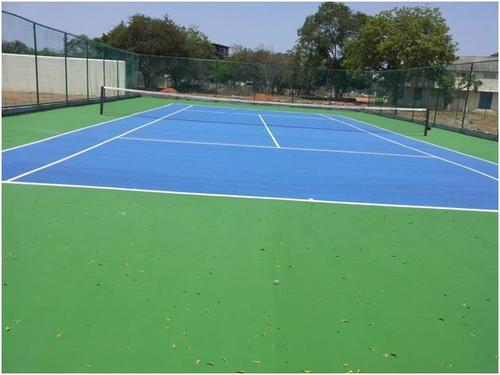
If you truly want peace of mind, think beyond one season.
Consider:
- Installing UV-resistant coatings
- Improving drainage systems
- Choosing heat-reflective surface colors
- Investing in automated irrigation
- Conducting annual professional inspections
Planting shade trees (strategically placed) reduces ambient temperature naturally. Solar-powered lighting allows evening play, reducing daytime usage.
Long-term strategies protect your investment and enhance player experience year after year.
A tennis court isn’t just concrete or clay—it’s a space where athletes train, friendships form, and competitions unfold. Protecting it during harsh summers ensures it continues serving its purpose beautifully.
Conclusion
Maintaining a tennis court during Indian summers isn’t complicated—but it demands consistency, awareness, and proactive care. From managing clay moisture levels to sealing hard court cracks, every small action contributes to longevity.
Think of summer maintenance as teamwork between you and the court. Respect the climate, understand your surface type, and implement daily routines. The reward? A safe, high-performing court that withstands even 45°C heat without complaint.
Indian summers are intense—but with the right strategy, your tennis court can handle them confidently.
FAQ’s
How often should a clay court be watered during peak Indian summer?
In extreme heat, clay courts should be watered daily—sometimes twice a day in very dry regions. Early morning watering is essential, with optional evening watering if the surface dries excessively.
Can hard courts crack because of summer heat alone?
Yes. Continuous expansion and contraction due to high temperatures can cause hairline cracks, especially if preventive sealing isn’t done.
What is the best time to schedule tennis matches in summer?
Early morning and late evening are safest. Avoid peak afternoon heat to protect both players and court surfaces.
Does court color affect surface temperature?
Yes. Darker colors absorb more heat, making surfaces hotter. Lighter shades can slightly reduce temperature buildup.
How can small clubs reduce maintenance costs during summer?
By implementing daily basic maintenance, training in-house staff, using efficient irrigation systems, and addressing minor repairs immediately before they escalate.