
Tennis is a game of precision, rhythm, and endurance. Every shot, every sprint, and every slide depends heavily on one crucial factor—the court beneath your feet. Over the years, synthetic tennis courts have become one of the most preferred choices for clubs, schools, academies, and private residences around the world. Why? Because they offer consistency, durability, and performance that traditional courts often struggle to deliver.
A synthetic tennis court is not just a playing surface; it’s a carefully engineered system designed to balance ball speed, player comfort, and long-term usability. Whether you’re a recreational player enjoying weekend matches or a competitive athlete training daily, synthetic courts provide a reliable and enjoyable playing experience. They are especially valued in regions with challenging weather conditions, heavy usage, or limited maintenance resources.
In this detailed guide, we’ll break down everything you need to know about synthetic tennis courts—from types and benefits to installation, maintenance, costs, and future trends. If you’re planning to build or upgrade a tennis court, this article will give you the clarity you need to make the right decision.
Table of Contents
Introduction to Synthetic Tennis Courts
What Is a Synthetic Tennis Court?
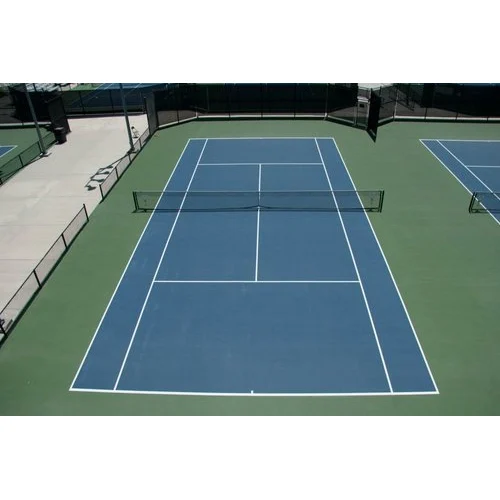
A synthetic tennis court is a man-made playing surface constructed using specialized materials such as acrylic, polyurethane, synthetic grass, or rubber-based systems. These materials are layered over a prepared base—usually concrete or asphalt—to create a durable, uniform, and high-performance tennis surface.
Unlike natural grass or clay courts, synthetic tennis courts are designed to offer consistent playing conditions regardless of weather or usage levels. The surface texture, elasticity, and grip are carefully controlled to ensure predictable ball bounce and smooth player movement. This consistency is one of the biggest reasons synthetic courts are widely used in professional training facilities and recreational clubs alike.
Synthetic tennis courts can be customized based on playing speed, cushioning level, and aesthetic preferences. From vibrant color combinations to tournament-standard line markings, these courts can be tailored to meet both functional and visual requirements.
Why Synthetic Tennis Courts Are Gaining Popularity
The growing popularity of synthetic tennis courts comes down to practicality. Traditional tennis surfaces, while iconic, often demand intensive maintenance and are highly sensitive to weather conditions. Synthetic courts eliminate many of these challenges.
Players love synthetic courts because they provide reliable performance every time they step on the court. Facility owners appreciate them for their durability, low maintenance, and long lifespan. Schools and academies choose synthetic courts for safety, as cushioned systems reduce impact on joints and minimize injury risks.
In today’s fast-paced world, where time and resources matter, synthetic tennis courts strike the perfect balance between performance and convenience. They allow more play, less downtime, and a consistently high-quality tennis experience.
Evolution of Tennis Court Surfaces
Traditional Tennis Court Surfaces
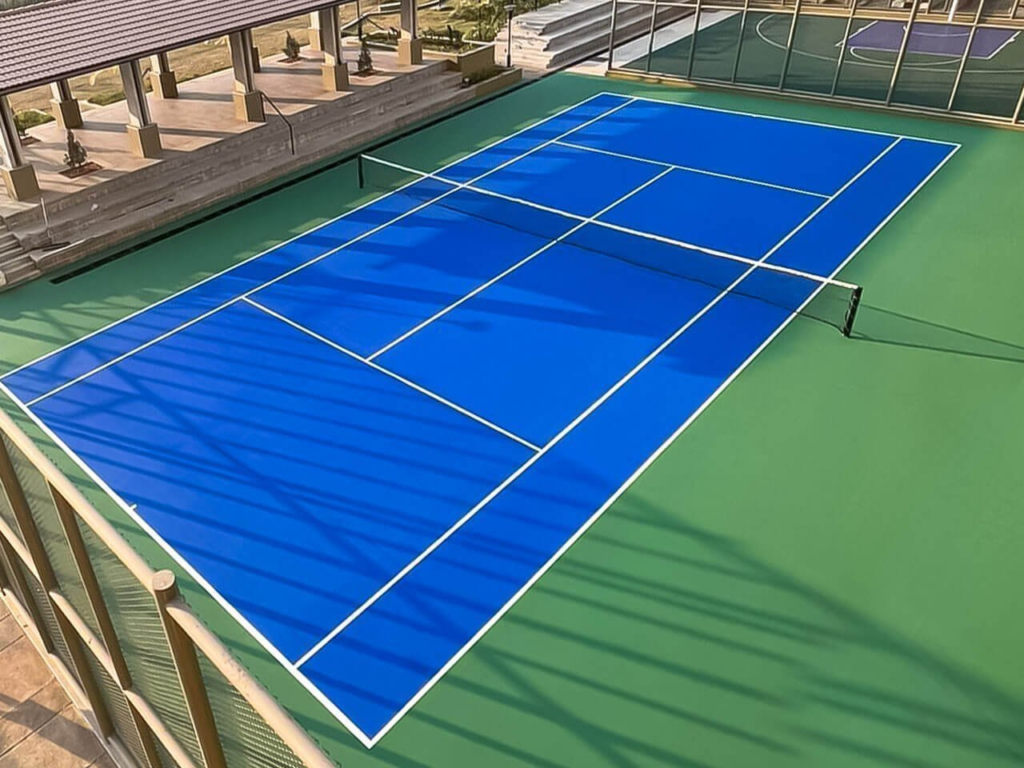
Historically, tennis has been played on three main surfaces: grass, clay, and hard courts. Grass courts, like those at Wimbledon, offer fast play but require meticulous maintenance. Clay courts slow the game down and are easier on the body, but they demand constant grooming and are highly weather-dependent.
Hard courts, typically made from asphalt or concrete with an acrylic coating, became popular due to their durability. However, traditional hard courts can be unforgiving on players’ joints and may crack over time.
Each of these surfaces has its charm, but none are perfect—especially when it comes to balancing performance, maintenance, and durability.
Shift Toward Synthetic Tennis Courts
The shift toward synthetic tennis court flooring happened as technology improved and the need for versatile, long-lasting surfaces grew. Modern synthetic systems address the shortcomings of traditional courts by offering controlled cushioning, weather resistance, and reduced maintenance.
Synthetic courts combine the best features of different surfaces. They can be tuned to play fast or slow, offer comfort similar to clay, and maintain durability comparable to hard courts. This adaptability has made them the preferred choice for modern tennis facilities worldwide.
Types of Synthetic Tennis Courts
Acrylic Synthetic Tennis Courts
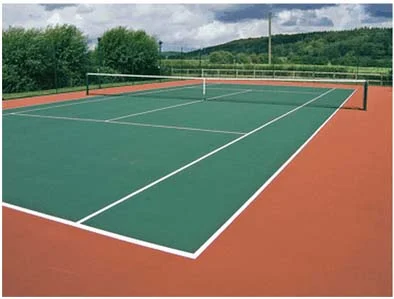
Acrylic tennis courts are the most widely used type of synthetic tennis court. They are constructed by applying multiple layers of acrylic coatings over an asphalt or concrete base. These courts are known for their durability, vibrant colors, and consistent ball bounce.
Acrylic courts can be customized with cushioning layers to improve shock absorption. They are suitable for both recreational and competitive play and are commonly used in clubs, schools, and professional venues.
Their low maintenance requirements and resistance to weather make acrylic courts a practical and cost-effective solution.
Polyurethane (PU) Tennis Courts
Polyurethane tennis courts offer enhanced comfort and elasticity compared to traditional acrylic systems. PU courts are seamless and provide excellent shock absorption, making them ideal for players who train frequently or for facilities prioritizing injury prevention.
These courts deliver a smooth, uniform surface with consistent performance. While they may have a higher initial cost, their long-term comfort and durability make them a worthwhile investment.
Synthetic Grass Tennis Courts
Synthetic grass tennis courts replicate the look of natural grass while offering greater durability and lower maintenance. They provide a slightly slower game with softer impact, making them suitable for recreational play and training facilities.
These courts are particularly popular in residential settings and multi-sport facilities due to their aesthetic appeal and versatility.
Rubberized Tennis Court Systems
Rubberized systems focus heavily on shock absorption and player comfort. These courts are often used in training environments, schools, and senior-friendly facilities where joint protection is a priority.
The cushioned surface reduces fatigue and injury risk, encouraging longer and more enjoyable play sessions.
Modular Synthetic Tennis Courts
Modular tennis courts use interlocking tiles made from synthetic materials. They are quick to install, portable, and easy to repair. While they may not offer the same performance level as poured systems, they are ideal for temporary courts or multi-use spaces.
Key Components of a Synthetic Tennis Court
Base Construction
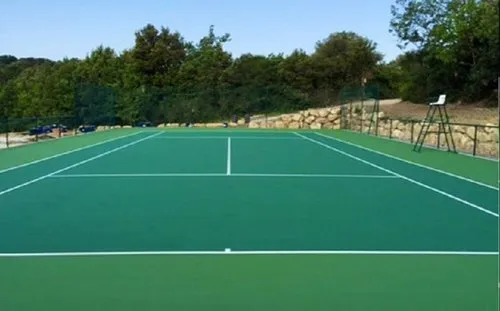
Every high-quality synthetic tennis court starts with a strong and stable base. The base is the foundation that determines how well the court performs over time. Typically, synthetic tennis courts are built on either concrete or asphalt bases, both of which provide excellent structural strength when properly constructed.
The base must be perfectly level to ensure consistent ball bounce and safe player movement. Even minor unevenness can affect gameplay and lead to premature surface wear. Proper slope is also essential, especially for outdoor courts, to allow efficient water drainage and prevent puddling. In regions with extreme temperatures or heavy rainfall, expansion joints and drainage channels are often incorporated into the base design.
A well-prepared base doesn’t just support the surface—it protects your investment. It ensures that the synthetic layers above remain intact, crack-free, and high-performing for many years.
Cushion Layers
Cushion layers are what truly separate synthetic tennis courts from traditional hard courts. These layers are designed to absorb impact, reduce strain on players’ joints, and enhance overall comfort. Depending on the system, cushion layers may consist of rubber granules, elastic polymers, or specialized foam materials.
The thickness and composition of these layers can be adjusted based on the level of play and user preference. Professional training facilities may opt for moderate cushioning to balance speed and comfort, while recreational or school courts often prioritize higher shock absorption for injury prevention.
Cushion layers also influence playing speed. A well-designed cushioned system provides a controlled response, allowing players to move confidently without feeling slowed down. This balance of comfort and performance is one of the biggest advantages of modern synthetic tennis courts.
Top Playing Surface
The top playing surface is the part players interact with directly, and its quality is critical. This layer determines traction, ball bounce, and surface durability. In acrylic systems, the top surface consists of textured coatings that provide consistent grip and wear resistance.
The texture of the surface can be fine-tuned to achieve the desired playing speed. A smoother finish results in faster play, while a slightly rougher texture slows the ball down and improves control. This customization allows facility owners to tailor the court to specific playing styles or training needs.
High-quality top surfaces are also UV-resistant and color-stable, ensuring the court maintains its appearance and performance even after prolonged exposure to sunlight.
Line Markings and Finishing
Line markings are more than just paint on a court—they are a crucial part of gameplay accuracy. Synthetic tennis courts use durable, high-contrast line markings that are integrated into the surface system. This ensures they don’t peel, fade, or create uneven playing areas.
Finishing touches may also include logos, custom colors, and surrounding safety zones. These elements enhance both the functionality and visual appeal of the court. A professionally finished synthetic tennis court not only performs well but also looks impressive, adding value to the facility.
Benefits of Synthetic Tennis Courts
Durability and Longevity
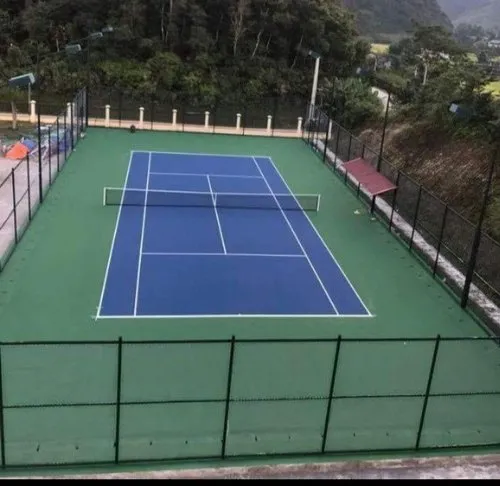
One of the most compelling benefits of synthetic tennis courts is their durability. Designed to withstand heavy usage and challenging weather conditions, these courts can last well over a decade with proper maintenance.
Unlike natural surfaces that degrade quickly, synthetic courts resist cracking, fading, and surface wear. This durability makes them ideal for clubs, schools, and public facilities where courts are in constant use.
Over time, this longevity translates into significant cost savings, as fewer repairs and replacements are required.
Consistent Playing Performance
Consistency is everything in tennis. Synthetic tennis courts provide uniform ball bounce and surface behavior across the entire playing area. Players don’t have to adjust their game for dead spots or uneven textures.
This reliability is particularly important for training and competition, where predictable conditions help players focus on skill development rather than surface adaptation. Whether you’re playing in the morning or evening, the court performs the same way every time.
Player Safety and Comfort
Player safety is a top priority in modern sports facility design. Synthetic tennis courts address this by incorporating shock-absorbing layers that reduce impact stress on joints and muscles.
This added comfort allows players to train longer with less fatigue and lower injury risk. For schools, academies, and recreational facilities, this safety aspect is a major advantage, encouraging participation across all age groups.
Low Maintenance Requirements
Synthetic tennis courts are designed to be easy to maintain. Regular sweeping and occasional washing are usually all that’s needed to keep the surface clean and safe.
There’s no need for watering, rolling, or daily grooming, which significantly reduces maintenance costs and labor. This makes synthetic courts especially attractive for facilities with limited maintenance resources.
Weather and Climate Resistance
Synthetic tennis courts perform reliably in a wide range of weather conditions. They are resistant to UV rays, moisture, and temperature fluctuations, making them suitable for both hot and cold climates.
Outdoor synthetic courts dry quickly after rain and remain playable throughout the year. This all-weather performance maximizes court availability and user satisfaction.
Synthetic Tennis Court Performance Characteristics
Ball Bounce and Speed Control
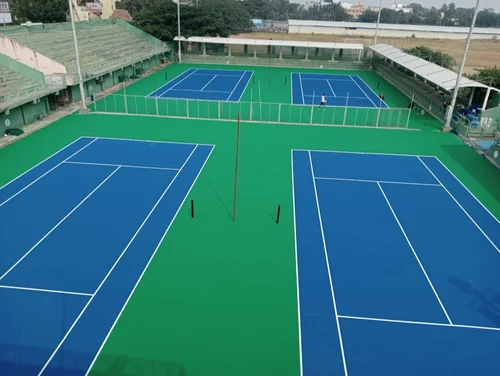
Ball bounce on a synthetic tennis court is consistent and predictable, which is essential for fair play. The surface texture and cushioning layers work together to control ball speed and rebound.
Facility owners can choose systems that favor faster or slower play depending on their needs. This flexibility allows synthetic courts to cater to different playing styles and skill levels.
Surface Grip and Player Movement
Synthetic tennis courts offer excellent traction, allowing players to move quickly and change direction safely. The controlled grip reduces slipping while still enabling smooth slides and pivots.
This balance enhances confidence on the court, helping players focus on their game rather than worrying about footing.
Shock Absorption and Joint Protection
The cushioned structure of synthetic tennis courts significantly reduces impact forces. This joint-friendly design is especially beneficial for frequent players and older athletes.
By minimizing stress on knees, ankles, and hips, synthetic courts promote long-term player health and enjoyment.
Synthetic Tennis Courts for Outdoor Use
UV Resistance and Heat Tolerance
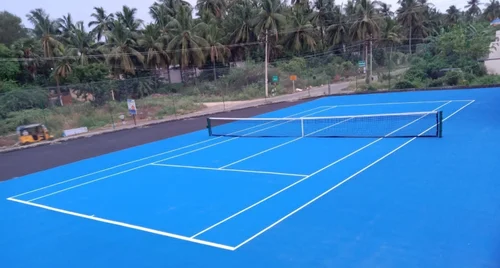
Outdoor synthetic tennis courts are built to handle prolonged sun exposure. UV-resistant materials prevent color fading and surface degradation, even in hot climates.
Heat-tolerant coatings ensure the surface maintains its integrity and performance during high temperatures.
Drainage and Rain Performance
Proper drainage is essential for outdoor courts. Synthetic systems are designed with slight slopes and permeable layers that allow water to drain quickly.
This means less downtime after rain and more opportunities to play.
Suitability for Different Climates
From humid coastal regions to dry, arid environments, synthetic tennis courts adapt well to various climates. Their versatility makes them a global favorite for outdoor tennis facilities.
Synthetic Tennis Courts for Indoor Facilities
Controlled Playing Environment
Indoor synthetic tennis courts offer a level of control that outdoor courts simply can’t match. Without exposure to wind, rain, or fluctuating temperatures, players experience a consistent environment every time they step onto the court. This controlled setting allows the synthetic surface to perform at its absolute best, delivering predictable ball bounce, stable grip, and uniform speed across the entire court.
For training academies and professional facilities, this consistency is invaluable. Players can focus entirely on technique, footwork, and strategy without adjusting to environmental variables. Indoor synthetic courts are especially popular in regions where extreme weather limits outdoor play, as they allow year-round tennis without compromise.
From a facility management perspective, indoor courts also reduce surface wear caused by environmental exposure, further extending the lifespan of the synthetic flooring system.
Lighting and Acoustic Benefits
Indoor tennis facilities often integrate advanced lighting systems designed to enhance visibility without glare. Synthetic tennis courts complement these setups by offering matte finishes that reduce light reflection, making it easier for players to track the ball.
Acoustics are another important factor. Synthetic surfaces help absorb sound, reducing echo and noise levels inside enclosed spaces. This creates a more comfortable playing atmosphere, particularly in multi-court indoor complexes where noise can otherwise become overwhelming.
These combined benefits make indoor synthetic tennis courts not only high-performing but also more enjoyable for players and spectators alike.
Year-Round Play Advantages
One of the biggest advantages of indoor synthetic tennis courts is uninterrupted access. Weather delays, wet surfaces, and extreme temperatures are no longer concerns. Players can train, compete, and enjoy tennis throughout the year.
For clubs and academies, this translates into better scheduling, higher membership retention, and increased revenue. Indoor synthetic courts maximize facility usage and provide reliable playing conditions regardless of the season.
Installation Process of a Synthetic Tennis Court
Site Assessment and Preparation
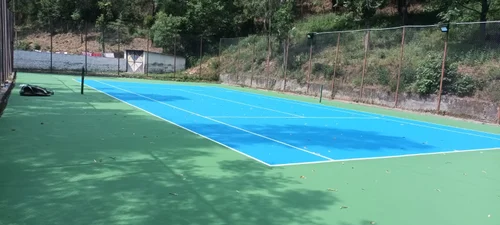
The installation of a synthetic tennis court begins with a detailed site assessment. This step ensures the chosen location is suitable and identifies any potential challenges before construction starts. Factors such as soil condition, drainage, space availability, and accessibility are carefully evaluated.
For outdoor courts, proper grading and drainage planning are essential to prevent water accumulation. Indoor installations focus on ensuring the subfloor is stable, level, and free from moisture issues. Addressing these factors early prevents future problems and ensures long-term surface performance.
This preparation phase sets the stage for a smooth installation and a high-quality final result.
Base Construction and Leveling
Once the site is prepared, the base construction begins. A concrete or asphalt base is laid and precisely leveled to meet strict tolerances. This step is critical, as the base directly affects ball bounce and player safety.
Expansion joints and curing time are carefully managed to accommodate temperature changes and prevent cracking. A properly constructed base provides the structural support needed for the synthetic layers above.
Application of Synthetic Layers
After the base has cured, the synthetic layers are applied. This includes cushion layers for shock absorption and the top playing surface that defines the court’s performance characteristics. Each layer is applied methodically and allowed to cure before the next is added.
Attention to detail during this stage ensures uniform thickness, texture, and elasticity across the court. The result is a seamless, high-performance surface designed for years of use.
Final Coating and Line Marking
The final stage involves applying finishing coats and precise line markings. Tennis lines are measured and painted to regulation standards, ensuring accuracy and durability. Optional logos or custom designs may also be added at this stage.
Once the surface is fully cured, the court undergoes final inspections to confirm performance, safety, and visual quality before being opened for play.
Maintenance and Care of Synthetic Tennis Courts
Routine Cleaning Practices
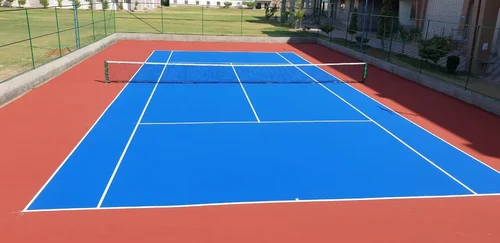
Maintaining a synthetic tennis court is refreshingly simple. Routine cleaning typically involves sweeping or blowing off dust, leaves, and debris. For outdoor courts, occasional washing with water helps remove dirt buildup and maintain surface grip.
Indoor courts benefit from regular dust removal to preserve traction and appearance. Using mild, non-abrasive cleaners ensures the surface remains undamaged and safe.
These simple cleaning practices go a long way in preserving court performance and extending its lifespan.
Periodic Resurfacing
Over time, even the best synthetic tennis courts may show signs of wear, particularly in high-traffic areas. Periodic resurfacing restores the surface’s texture, color, and performance.
Resurfacing is far more cost-effective than full replacement and can significantly extend the court’s usable life. Many facilities schedule resurfacing every few years as part of their long-term maintenance plan.
Repair and Restoration Options
One of the advantages of synthetic tennis courts is their repairability. Minor cracks, worn spots, or faded lines can be addressed without major disruption. Localized repairs restore functionality quickly, minimizing downtime.
This flexibility makes synthetic courts a practical choice for busy facilities where continuous availability is essential.
Cost of Synthetic Tennis Courts
Factors Influencing Cost
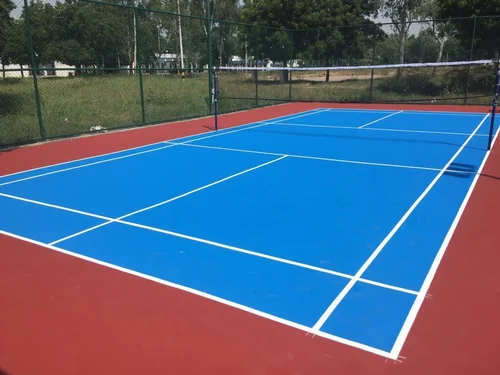
The cost of building a synthetic tennis court depends on several factors, including surface type, cushioning level, base preparation, and customization options. Indoor courts may have higher initial costs due to construction requirements, while outdoor courts may require additional drainage solutions.
Understanding these factors helps in planning a realistic budget and selecting the right system for your needs.
Initial Investment vs Long-Term Value
While synthetic tennis courts may require a higher upfront investment compared to some traditional surfaces, their long-term value is substantial. Reduced maintenance, fewer repairs, and longer lifespan result in lower total ownership costs.
For clubs, schools, and private owners, this long-term efficiency makes synthetic courts a smart financial decision.
Budget Planning for Tennis Projects
Effective budget planning involves balancing performance, durability, and cost. Working with experienced professionals ensures you select a system that meets your needs without unnecessary expenses.
A well-planned project delivers a court that performs reliably and remains cost-effective over time.
Choosing the Right Synthetic Tennis Court System
Based on Playing Level
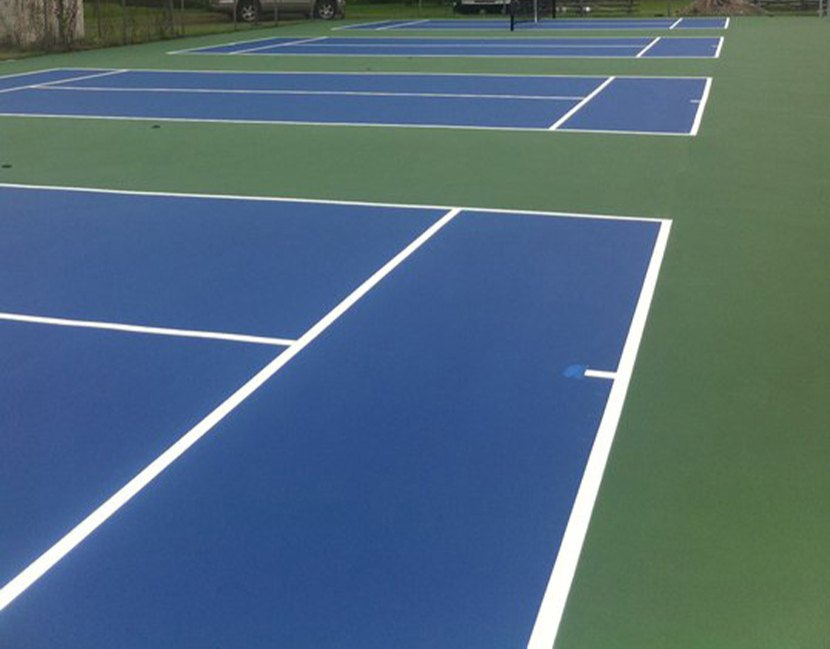
Different players have different needs. Competitive athletes may prefer faster surfaces with moderate cushioning, while recreational players often value comfort and safety. Choosing a system aligned with the primary user group ensures satisfaction and optimal performance.
Based on Location and Climate
Climate plays a major role in surface selection. UV resistance, drainage, and heat tolerance are crucial for outdoor courts, while indoor facilities prioritize comfort and acoustic performance.
Selecting a system suited to local conditions enhances durability and usability.
Based on Budget and Usage
Usage frequency and budget constraints should guide decision-making. High-use facilities benefit from durable, premium systems, while lower-use courts may opt for more economical options.
Synthetic Tennis Courts vs Other Tennis Surfaces
Synthetic vs Clay Courts
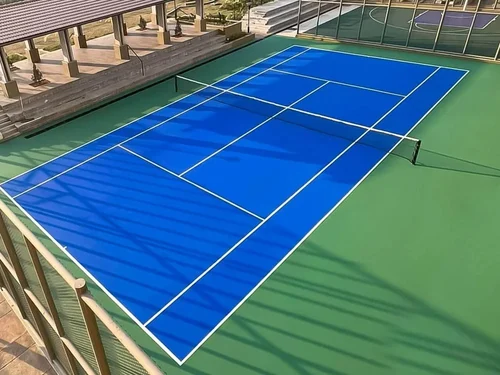
Synthetic courts require far less maintenance than clay courts and remain playable in more weather conditions. While clay offers a softer feel, synthetic systems can replicate many of its benefits with greater convenience.
Synthetic vs Grass Courts
Grass courts are beautiful but demanding. Synthetic courts provide consistent performance without intensive care, making them a more practical option for most facilities.
Synthetic vs Hard Courts
Compared to traditional hard courts, synthetic systems offer better shock absorption and player comfort while maintaining durability and performance.
Common Challenges and Solutions
Surface Heat Management
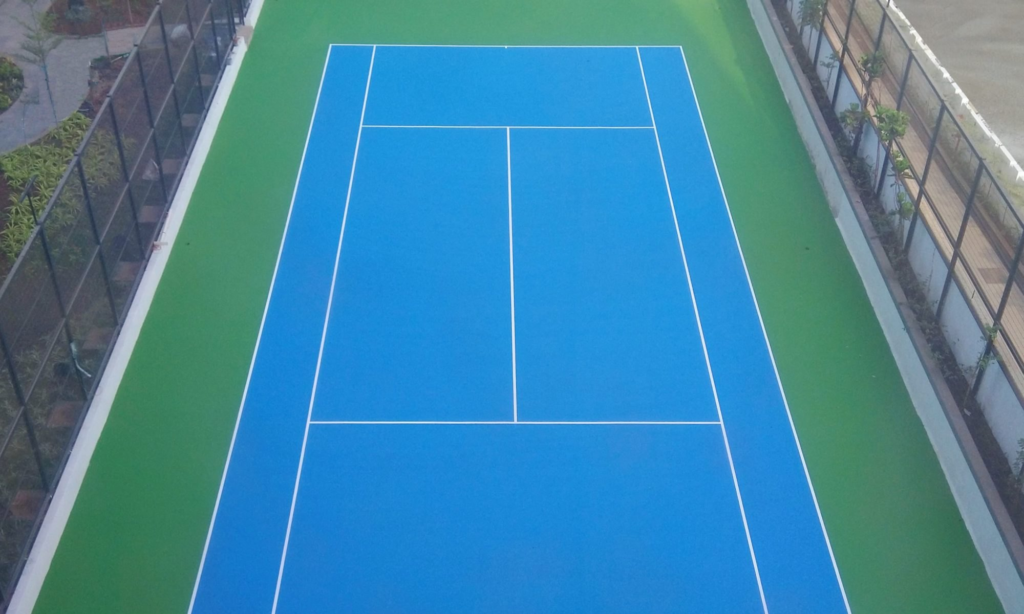
Surface heat can be managed through light-colored coatings, shading, and proper material selection. Modern systems are designed to minimize heat buildup.
Wear and Tear Over Time
Regular maintenance and timely resurfacing address wear issues effectively, keeping the court in top condition.
Incorrect Installation Issues
Choosing experienced installers and quality materials prevents common installation problems and ensures long-term performance.
Future Trends in Synthetic Tennis Courts
Eco-Friendly Tennis Court Systems
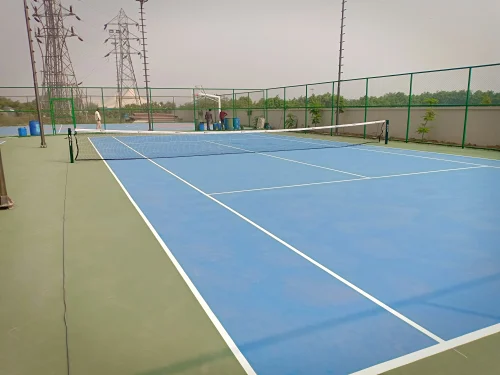
Sustainability is shaping the future of tennis court construction. Eco-friendly materials, low-VOC coatings, and water-efficient systems are becoming increasingly popular.
Advanced Cushion and Smart Surfaces
Innovations in cushioning and smart surface technology are enhancing player comfort and performance. Future synthetic courts may include sensors for performance tracking and maintenance monitoring.
Conclusion
Synthetic tennis courts represent the perfect blend of performance, durability, and practicality. They offer consistent playing conditions, enhanced player safety, and low maintenance, making them ideal for a wide range of facilities. Whether for professional training, recreational play, or private use, synthetic tennis courts deliver long-term value and an exceptional tennis experience.
By choosing the right system, investing in proper installation, and following a smart maintenance plan, you can enjoy a high-quality tennis court that stands the test of time.
FAQ’s
What is the best surface for a synthetic tennis court?
The best surface for a synthetic tennis court depends on usage and player level. Acrylic surfaces are the most popular due to their durability, consistent ball bounce, and low maintenance. Cushioned acrylic or polyurethane systems are ideal for players who want added comfort and joint protection, while synthetic grass courts suit recreational play.
How much space is required to build a synthetic tennis court?
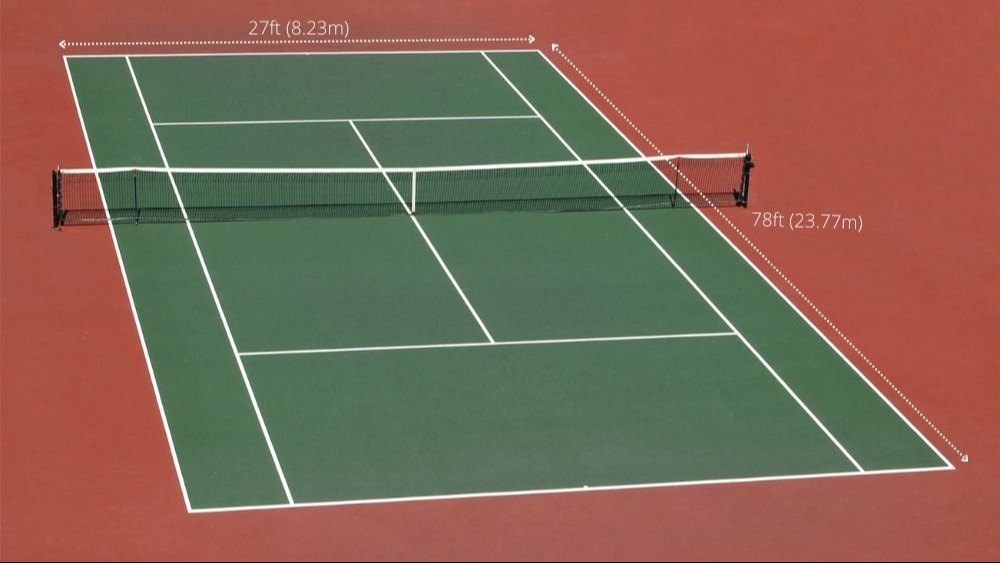
A standard tennis court requires a minimum area of 36.6 meters x 18.3 meters, including run-off zones. Additional space may be needed for fencing, lighting, seating, or landscaping. Proper space planning ensures safe movement and professional playing conditions.
How long does it take to install a synthetic tennis court?
Installation time typically ranges from 3 to 6 weeks, depending on site conditions, base construction, weather, and surface type. Indoor courts may take slightly longer due to structural requirements, while resurfacing an existing court can be completed faster.
Can a synthetic tennis court be installed over an existing court?
Yes, in many cases synthetic tennis surfaces can be installed over an existing concrete or asphalt court, provided the base is structurally sound. Minor repairs and leveling may be required before installation to ensure optimal performance.
Are synthetic tennis courts suitable for professional tournaments?
Yes. Many synthetic tennis courts meet ITF (International Tennis Federation) standards and are used for professional training and competitions. Surface speed, cushioning, and ball bounce can be customized to meet tournament requirements.