
When you step onto a tennis court, you might think it’s all about your racket, your footwork, or your opponent. But here’s the thing—the surface beneath your feet quietly controls almost everything. From how fast the ball travels to how high it bounces, and even how your body absorbs impact, the flooring plays a surprisingly powerful role. It’s like the silent partner in every rally, shaping outcomes without saying a word.
Different surfaces create entirely different playing experiences. For instance, a fast-paced acrylic court can make matches feel intense and aggressive, while a clay court slows things down, encouraging longer rallies and strategic gameplay. This variation isn’t just about style—it directly impacts player performance, injury risk, and even skill development. According to sports facility experts, nearly 70% of player injuries are influenced by surface type and shock absorption, which makes flooring choice more than just an aesthetic decision.
Think of it like driving different cars on different terrains. A sports car might fly on a smooth highway (like acrylic courts), but struggle on a rough dirt road (like clay). Similarly, tennis players must adapt their game depending on the surface, and choosing the right one can either enhance or limit performance.
For facility owners, clubs, or even homeowners building a private court, selecting the right flooring is a long-term investment. It affects maintenance costs, usability, and overall player satisfaction. So, whether you’re a casual weekend player or planning a professional-level court, understanding flooring options isn’t optional—it’s essential.
Key Trends in Tennis Court Construction for 2026
Tennis court flooring is evolving faster than ever, and 2026 is shaping up to be a year of innovation and smarter choices. Gone are the days when options were limited to just hard or clay courts. Today, technology, sustainability, and player comfort are driving decisions, creating a whole new landscape of possibilities.
One of the biggest trends is the rise of eco-friendly materials. Many manufacturers are now producing surfaces using recycled components and low-emission coatings. This shift isn’t just about going green—it also improves durability and reduces long-term maintenance costs. In fact, recent industry reports suggest that over 40% of new tennis courts in 2025 incorporated sustainable materials, and that number is expected to climb even higher in 2026.
Another major development is the growing popularity of modular and cushioned court systems. These surfaces are designed for flexibility and comfort, offering better shock absorption and reducing strain on joints. This is especially appealing for recreational players and older athletes who want to enjoy the game without risking injury.
Digital integration is also entering the scene. Some modern courts now include smart sensors embedded beneath the surface, tracking player movement, ball impact, and performance metrics. While still emerging, this technology is turning tennis courts into data-driven training environments.
Finally, customization is becoming a key factor. Players and facility owners can now choose surfaces tailored to specific playing styles, climate conditions, and budget constraints. Whether you want a court that mimics Wimbledon grass or the hard courts of the US Open, there’s likely a solution available.
All these trends point to one thing: tennis court flooring in 2026 is no longer just about playing—it’s about experience, performance, and longevity.
Acrylic Hard Courts – The Industry Standard
Features and Benefits of Acrylic Surfaces
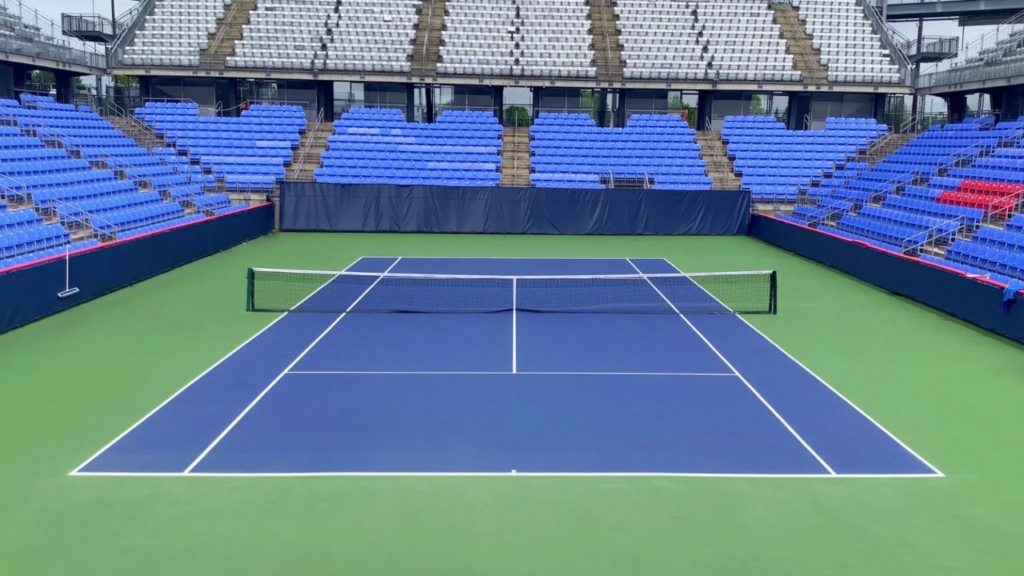
If tennis courts had a “default setting,” acrylic hard courts would probably be it. You’ve seen them everywhere—from public parks to Grand Slam tournaments like the US Open—and there’s a reason they dominate the scene. Acrylic surfaces strike a balance between performance, durability, and cost, making them the go-to choice for a wide range of players.
At their core, acrylic courts are made by applying multiple layers of acrylic coating over an asphalt or concrete base. This creates a smooth, consistent surface that delivers predictable ball bounce and medium-fast gameplay. For players, this consistency is gold. You don’t have to second-guess how the ball will react, which allows you to focus entirely on your technique and strategy.
One standout feature is their customizability. Acrylic coatings come in various textures and speeds, meaning you can fine-tune the court to play faster or slower depending on your preference. Want something that mimics professional tournament conditions? That’s entirely possible.
Durability is another big win. With proper maintenance, acrylic courts can last 10 to 15 years or more, making them a cost-effective option in the long run. They also handle different weather conditions reasonably well, although extreme temperatures can cause minor surface wear over time.
From a maintenance standpoint, these courts are relatively easy to manage. Regular cleaning and occasional resurfacing are usually enough to keep them in top shape. Compared to clay courts—which require daily upkeep—acrylic surfaces are far less demanding.
For clubs and schools, this combination of low maintenance, long lifespan, and consistent playability makes acrylic courts a practical and reliable choice. It’s no surprise they remain the industry standard heading into 2026.
Acrylic Hard Courts – The Industry Standard
Pros and Cons of Acrylic Tennis Courts
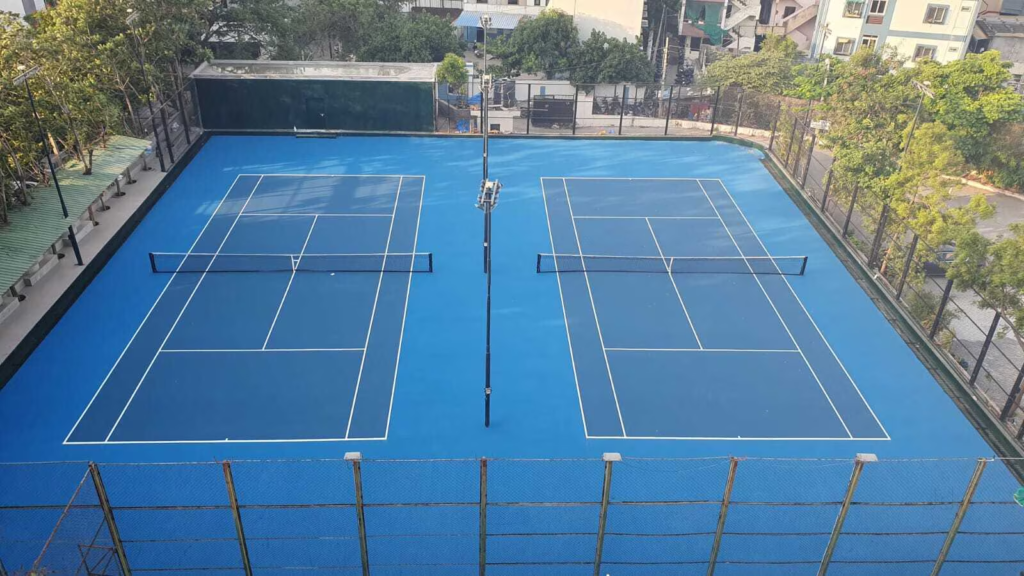
Acrylic tennis courts may be the industry favorite, but that doesn’t mean they’re flawless. Like any surface, they come with a mix of strengths and limitations that you should understand before committing. Think of it like choosing a smartphone—popular doesn’t always mean perfect for your specific needs.
On the positive side, consistency is where acrylic courts truly shine. The ball bounce is predictable, which helps players develop reliable timing and technique. This is especially useful for beginners and intermediate players who are still building their fundamentals. Additionally, the medium-to-fast pace encourages aggressive play, making matches exciting and dynamic. It’s no coincidence that many professional tournaments rely on hard courts—they provide a balanced playing field.
Another major advantage is low maintenance. Unlike clay courts that demand daily watering and grooming, acrylic surfaces only require periodic cleaning and resurfacing every few years. This translates into lower long-term costs and less hassle for court owners. Plus, they’re highly durable, often lasting over a decade with proper care.
However, there’s a trade-off. Acrylic courts are less forgiving on the body compared to softer surfaces. The hard base can increase stress on joints, particularly knees and ankles. Over time, this can lead to fatigue or even injury, especially for older players or those with existing conditions. Some newer cushioned acrylic systems aim to address this issue, but traditional hard courts still lean on the rigid side.
Weather sensitivity is another factor. While they perform well in most climates, extreme heat can soften the surface slightly, while cold temperatures may cause minor cracking. These issues aren’t deal-breakers, but they do require attention during installation and maintenance.
So, are acrylic courts worth it? For most players and facilities, the answer is yes—but only if you value durability, consistency, and affordability over maximum comfort.
Clay Courts – Classic and Player-Friendly
Types of Clay Courts Used Today
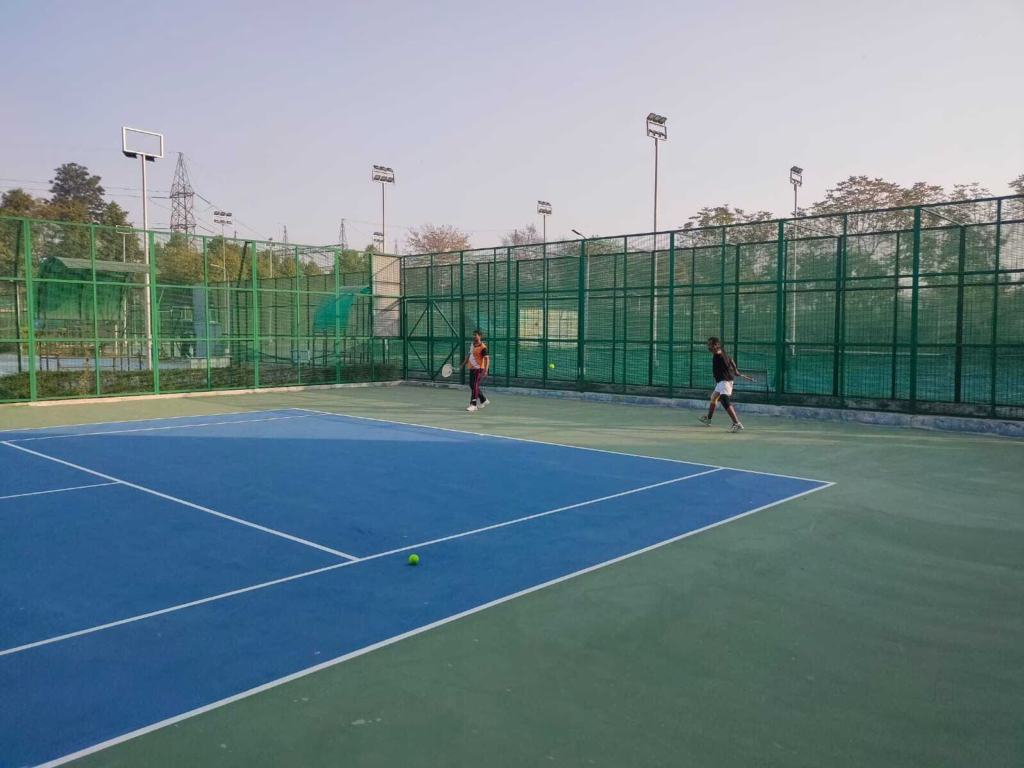
Clay courts carry a certain romance in the tennis world. They slow the game down, stretch rallies into endurance battles, and reward patience over power. But here’s something many people don’t realize—not all clay courts are created equal. In fact, there are several types, each offering a slightly different playing experience.
The most iconic is red clay, commonly associated with European tournaments like the French Open. Made from crushed brick, red clay courts produce a slow ball speed and high bounce, giving players more time to react. This surface favors baseline players who excel in long rallies and strategic shot placement.
Then there’s green clay, also known as Har-Tru, which is more popular in the United States. It’s slightly firmer than red clay and allows for a faster pace, though still slower than hard courts. Many players find it a good middle ground—offering the softness of clay without excessively slowing down the game.
A newer variation gaining attention is synthetic clay, which combines traditional clay aesthetics with modern materials. These courts are designed to reduce maintenance while preserving the classic feel. They often include a drainage system that allows for quicker drying after rain, making them more practical for various climates.
Each type of clay court affects gameplay differently, but they all share one key trait: they encourage movement and strategy. Sliding into shots, constructing points carefully, and outlasting opponents become essential skills.
Choosing the right type depends on your goals. If you want to replicate professional European conditions, red clay is your best bet. If you’re looking for something more versatile and easier to maintain, green or synthetic clay might be the smarter choice.
Advantages and Drawbacks of Clay Surfaces
Clay courts offer a unique experience that many players fall in love with—but they also come with a set of challenges that can’t be ignored. It’s a bit like owning a classic car: beautiful and enjoyable, but demanding more attention than modern alternatives.
One of the biggest advantages is player comfort. Clay is significantly softer than hard surfaces, which means it absorbs impact and reduces stress on joints. This makes it ideal for players who want to avoid injuries or play for extended periods without fatigue. In fact, many coaches recommend clay courts for training because they’re gentler on the body.
Another major benefit is how clay courts enhance skill development. The slower pace forces players to think strategically, construct points carefully, and improve endurance. You can’t rely solely on powerful serves or quick winners—patience becomes your greatest weapon. This is why many professional players credit clay courts for sharpening their overall game.
However, these benefits come at a cost—literally and figuratively. Clay courts require intensive maintenance. Daily watering, rolling, and brushing are necessary to keep the surface in playable condition. Without proper care, the court can quickly become uneven or dusty.
Weather is another challenge. Rain can render a clay court unusable, and drying it out takes time. Even with modern drainage systems, downtime is still a factor to consider. Additionally, construction costs can be higher depending on the type of clay used and the installation process.
So, while clay courts deliver comfort, strategy, and a classic playing experience, they demand commitment. If you’re willing to invest the time and resources, the payoff can be incredibly rewarding.
Artificial Grass Courts – Low Maintenance Alternative
How Synthetic Grass Courts Work
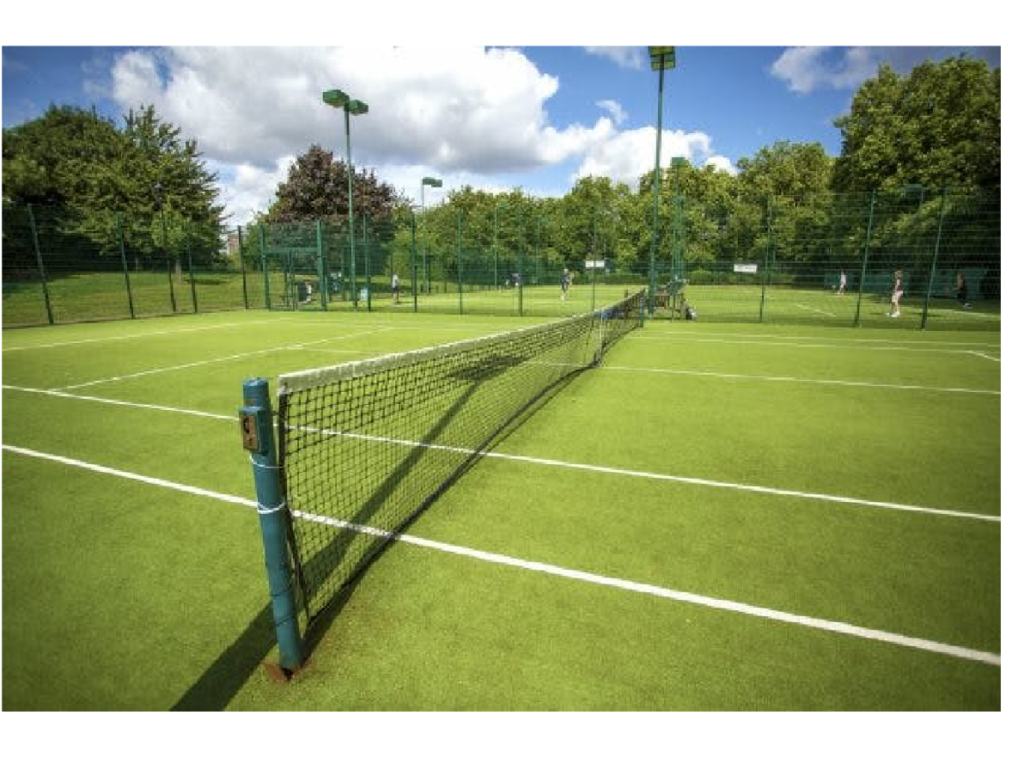
Artificial grass courts might not get as much spotlight as clay or hard courts, but they’ve quietly carved out a loyal following—and for good reason. They offer a unique blend of comfort, speed, and practicality that appeals to both recreational players and facility owners.
At a glance, these courts resemble natural grass, but they’re actually made from synthetic fibers layered over a stable base, often with sand infill to provide stability and traction. This design mimics the feel of traditional grass courts while eliminating the high maintenance associated with real grass.
The playing experience is distinct. The ball tends to move quickly and stay relatively low, similar to natural grass courts like those used at Wimbledon. This favors players with fast reflexes and strong serve-and-volley skills. Matches on artificial grass often feel quicker and more dynamic compared to clay courts.
One of the biggest advantages is year-round usability. Unlike natural grass, which can become muddy or uneven, synthetic grass courts are designed to handle various weather conditions. They drain well after rain and remain playable in a wide range of climates.
Installation is also relatively straightforward compared to other surfaces. Once the base is prepared, the synthetic turf can be rolled out and secured, making the process faster and less labor-intensive.
For clubs and homeowners, artificial grass offers a compelling balance: the aesthetic appeal of grass courts without the constant upkeep. It’s a modern solution that brings a touch of tradition into a more practical framework.
Performance, Durability, and Costs
When it comes to performance, artificial grass courts sit somewhere between hard and clay surfaces. They provide a moderately fast game with a softer feel underfoot, which many players find comfortable and enjoyable. The cushioning effect reduces joint stress, making it a good option for players who want a gentler playing experience.
Durability is another strong point. High-quality synthetic grass courts can last 8 to 12 years, depending on usage and maintenance. While they do require occasional brushing and sand redistribution, the overall upkeep is minimal compared to clay courts.
Cost-wise, artificial grass courts fall into a mid-range category. They’re generally more affordable than clay courts but slightly more expensive than basic acrylic surfaces. However, the reduced maintenance costs can make them more economical over time.
Here’s a quick comparison to give you a clearer picture:
| Surface Type | Speed | Maintenance | Lifespan | Comfort Level |
|---|---|---|---|---|
| Acrylic | Medium-Fast | Low | 10–15 years | Moderate |
| Clay | Slow | High | 10–20 years | High |
| Artificial Grass | Medium | Low-Medium | 8–12 years | High |
Of course, no surface is perfect. Artificial grass can wear down in high-traffic areas, and the sand infill may need periodic replenishment. Additionally, it doesn’t fully replicate the feel of natural grass, which might matter to purists.
Still, for those seeking a low-maintenance, comfortable, and visually appealing court, artificial grass is a strong contender in 2026.
Modular Tile Courts – The Modern Innovation
What Are Modular Tennis Court Tiles?
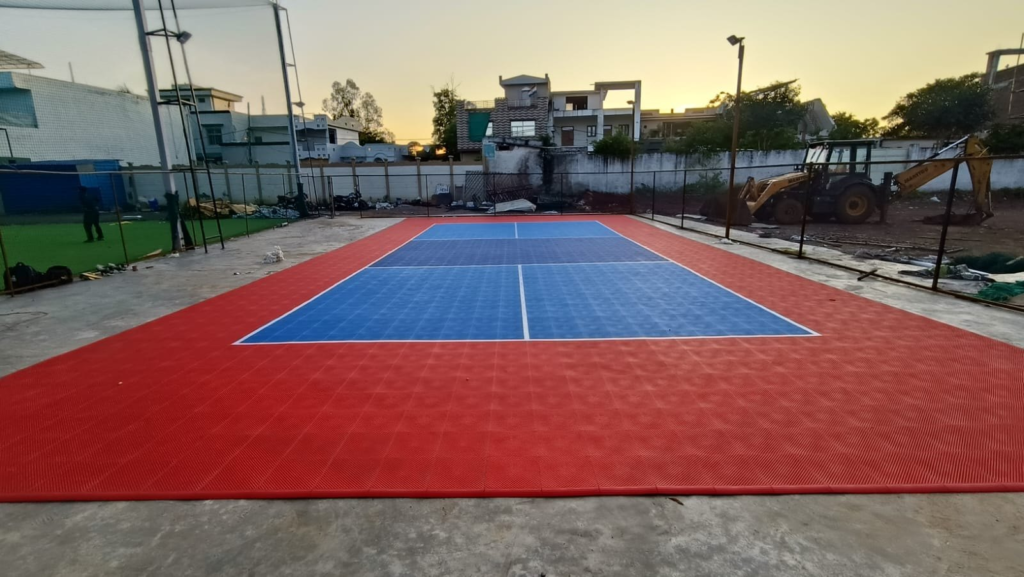
If tennis court surfaces had a “future-forward” category, modular tile courts would easily take the spotlight. These aren’t your traditional poured or layered surfaces. Instead, they’re built using interlocking tiles—think of them like a giant, high-performance puzzle snapped together to create a full कोर्ट. While that might sound simple on the surface, the engineering behind these tiles is anything but basic.
Each tile is typically made from high-impact polypropylene or similar advanced polymers, designed to withstand heavy use, fluctuating weather conditions, and constant foot traffic. Beneath the surface, a clever grid structure allows for shock absorption and water drainage, which means rainwater doesn’t pool—it flows through. This feature alone makes modular courts incredibly practical in regions with unpredictable weather.
From a playing perspective, modular tiles offer a consistent and slightly cushioned bounce, somewhere between acrylic and synthetic grass. Players often describe the feel as responsive yet forgiving, which helps reduce fatigue during longer matches. The surface can also be customized in terms of grip and speed, allowing facility owners to tailor the court to specific player needs.
Installation is another major advantage. Unlike traditional courts that require curing time and multiple construction phases, modular tiles can be installed quickly over an existing base, sometimes in just a few days. This makes them ideal for temporary setups, multi-sport courts, or facilities looking to upgrade without extensive downtime.
In essence, modular tile courts represent a shift toward flexibility, efficiency, and modern design. They’re not just a trend—they’re a glimpse into how sports surfaces are evolving to meet the demands of today’s players.
Why Modular Flooring Is Gaining Popularity
So why are modular tile courts suddenly everywhere? The answer lies in a combination of practicality, performance, and long-term value. In a world where people expect convenience and adaptability, this type of flooring checks a lot of boxes.
First, there’s the ease of maintenance. Traditional surfaces often require resurfacing, repainting, or intensive care routines. Modular tiles, on the other hand, are relatively low-maintenance. If a section gets damaged, you don’t need to redo the entire court—you simply replace the affected tiles. It’s a bit like fixing a cracked tile in your kitchen instead of redoing the whole floor.
Then there’s durability. These tiles are built to last, often with warranties ranging from 10 to 15 years. They resist cracking, fading, and weather-related wear better than many traditional surfaces. This makes them particularly appealing for schools, community centers, and multi-use facilities where the court sees heavy daily use.
Another factor driving popularity is versatility. Modular courts can be used for multiple sports, including basketball, pickleball, and futsal. This multi-functionality adds significant value, especially in spaces where maximizing utility is essential.
Cost efficiency also plays a role. While the upfront cost may be comparable to other mid-range surfaces, the reduced maintenance and repair costs often make modular flooring more economical over time.
Finally, there’s the aesthetic appeal. With customizable colors and patterns, these courts can be designed to look modern and visually striking—something that matters more than ever in an age of social media and branding.
All these factors combined explain why modular tile courts are quickly becoming a top choice for forward-thinking facilities in 2026.
Cushioned Court Systems – Player Comfort Redefined
Technology Behind Cushioned Surfaces
Imagine playing tennis on a surface that feels just a little kinder to your body—where every कदम you take doesn’t send a jolt through your knees. That’s exactly what cushioned court systems are designed to do. They take the familiar structure of hard courts and enhance it with layers of shock-absorbing materials, creating a more comfortable playing experience.
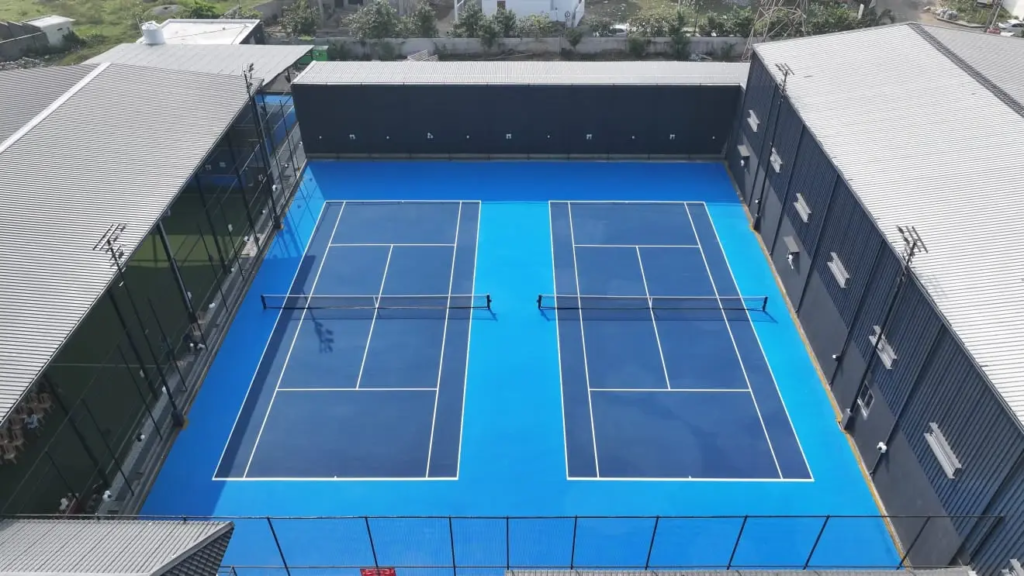
These systems typically involve multiple layers of rubberized or elastic materials applied over a concrete or asphalt base, followed by an acrylic topcoat. The result is a surface that looks like a standard hard court but behaves very differently underfoot. The added cushioning helps absorb impact, reducing stress on joints and muscles.
What’s fascinating is how this technology has evolved. Early versions were relatively basic, but modern cushioned systems are engineered with precision. Some even allow for customizable levels of cushioning, so you can choose how soft or firm you want the court to feel. This level of control is particularly valuable for training facilities and professional environments.
From a performance standpoint, cushioned courts maintain a consistent ball bounce similar to acrylic surfaces, ensuring that gameplay doesn’t feel compromised. You still get the predictability you need, but with an added layer of comfort that can make a noticeable difference over time.
In a way, cushioned courts bridge the gap between performance and well-being. They recognize that tennis isn’t just about how fast you can move or how hard you can hit—it’s also about how long you can play without discomfort.
Injury Prevention and Performance Benefits
The real magic of cushioned court systems lies in their impact on player health. Tennis is a physically demanding sport, and over time, repetitive stress can take a toll on the body. This is where cushioned surfaces truly stand out—they’re designed to minimize that wear and tear.
Studies in sports science suggest that shock-absorbing surfaces can reduce joint impact by up to 20–30%, which is a significant margin. For players who train frequently or compete at high levels, this reduction can mean the difference between staying active and dealing with chronic injuries.
But it’s not just about injury prevention. Cushioned courts also contribute to improved endurance and performance. When your body isn’t constantly absorbing harsh impacts, you can play longer and recover faster. This is especially beneficial for older players or those returning from injuries.
Another subtle advantage is enhanced foot stability. The slight give in the surface allows for better traction and controlled movement, reducing the risk of slips or awkward कदम. This can boost confidence on the court, allowing players to focus fully on their game.
Of course, these benefits come with a slightly higher installation cost compared to standard hard courts. But for many players and facilities, the investment is worth it. After all, what’s the point of having a high-performance court if it doesn’t support the people using it?
Cushioned court systems are a clear reflection of a growing trend in sports: prioritizing player health without sacrificing performance. And in 2026, that balance is more important than ever.
Comparison Table of Top 5 Flooring Options
Choosing the right tennis court surface can feel overwhelming, especially when each option offers its own unique advantages. To make things clearer, here’s a side-by-side comparison of the top 5 tennis court flooring options for 2026:
| Flooring Type | Speed | Maintenance Level | Lifespan | Comfort | Cost Range |
|---|---|---|---|---|---|
| Acrylic Hard Court | Medium-Fast | Low | 10–15 years | Moderate | $$ |
| Clay Court | Slow | High | 10–20 years | High | $$$ |
| Artificial Grass | Medium | Low-Medium | 8–12 years | High | $$–$$$ |
| Modular Tiles | Medium | Low | 10–15 years | Moderate-High | $$–$$$ |
| Cushioned Court | Medium-Fast | Low | 10–15 years | Very High | $$$ |
This table gives you a quick snapshot, but the real decision depends on your priorities—whether that’s cost, comfort, maintenance, or playing style.
Factors to Consider Before Choosing Tennis Flooring
Budget, Climate, and Usage Frequency
Before you settle on a tennis court surface, it’s worth taking a step back and looking at the bigger picture. Choosing flooring isn’t just about what looks good or what professionals use—it’s about what works best for your specific situation.
Budget is often the starting point. Different surfaces come with different upfront costs, but that’s only part of the equation. You also need to consider long-term expenses like maintenance, repairs, and resurfacing. For example, a clay court might have a higher maintenance cost over time, while an acrylic court offers a more predictable expense pattern.
Climate plays a huge role as well. If you live in an area with frequent rain, a surface with good drainage—like modular tiles or artificial grass—can save you a lot of परेशानी. On the other hand, extremely hot climates might affect certain materials, making heat-resistant coatings a priority.
Usage frequency is another critical factor. A private court used occasionally will have very different requirements compared to a club court that sees daily play. High-traffic courts need surfaces that can withstand constant wear without degrading quickly.
It’s a bit like choosing flooring for your home—you wouldn’t install delicate hardwood in a high-traffic kitchen, right? The same logic applies here.
Maintenance Requirements and Longevity
Maintenance is where many people underestimate the true cost of a tennis court. Some surfaces demand regular attention, while others are more forgiving. Understanding this upfront can save you time, money, and frustration.
Clay courts, for instance, require daily upkeep, including watering and leveling. While they offer excellent playing conditions, the effort involved can be significant. Acrylic and cushioned courts, on the other hand, are much easier to maintain, typically requiring only periodic cleaning and resurfacing every few years.
Longevity is closely tied to maintenance. A well-maintained court can last decades, while a neglected one may deteriorate much faster. Materials, installation quality, and environmental conditions all play a role in determining lifespan.
Modular tiles stand out here because of their replaceable design. Instead of repairing large sections, you can simply swap out damaged tiles, extending the overall life of the court.
In the end, the best choice is one that balances durability, maintenance effort, and overall cost. It’s not just about how the court performs on day one—it’s about how it holds up over years of use.
Conclusion
Choosing the right tennis court flooring in 2026 isn’t just a technical decision—it’s a strategic one that shapes how the game is played, experienced, and sustained over time. Each surface tells its own story. Acrylic courts deliver consistency and affordability, clay courts offer tradition and endurance-building gameplay, artificial grass provides a comfortable and low-maintenance alternative, modular tiles bring flexibility and innovation, and cushioned systems redefine comfort and injury prevention.
The “best” option doesn’t exist in a vacuum. It depends on what you value most—speed, comfort, maintenance, or long-term cost. A professional training facility might lean toward cushioned or acrylic systems, while a recreational क्लब might prioritize artificial grass or modular tiles for their practicality.
What’s clear is that modern tennis flooring is no longer one-size-fits-all. With advancements in materials and technology, you now have the freedom to customize your court experience like never before. Whether you’re building from scratch or upgrading an existing surface, taking the time to evaluate your needs will pay off in the long run.