
If you’ve ever stepped onto a professional tennis court and noticed that smooth, vibrant, slightly textured surface under your shoes, chances are you were standing on acrylic tennis court flooring. This material has quietly become the gold standard in modern tennis infrastructure, and there’s a good reason for that. Acrylic flooring isn’t just paint slapped onto concrete—it’s a carefully engineered system designed to balance performance, durability, and player comfort.
At its core, acrylic tennis flooring is made from resin-based coatings mixed with silica sand and other performance-enhancing additives. These coatings are applied over a solid base, usually asphalt or concrete, to create a seamless, non-slip playing surface. What makes it fascinating is how customizable it is. Court speed, texture, and cushioning can all be adjusted depending on the number of layers and the specific materials used.
Think of it like building a sandwich. The base layer acts as the bread, providing structure and support. On top of that, multiple layers of acrylic coatings are added, each serving a specific function—some improve grip, others enhance durability, and some are designed purely for comfort. The final result is a surface that feels consistent underfoot and delivers predictable ball bounce, which is exactly what players crave.
From local community courts to international tournaments like the US Open, acrylic surfaces dominate the tennis world. Their versatility makes them suitable for both recreational players and professionals. Whether you’re playing a casual weekend match or training for competition, acrylic flooring ensures a reliable experience every time you step onto the court.
Why Acrylic Surfaces Are So Popular
So why has acrylic tennis court flooring taken over the industry? It’s not just a trend—it’s a practical evolution. Players, coaches, and facility owners all gravitate toward acrylic surfaces because they offer a rare combination of performance, affordability, and ease of maintenance.
One major reason is consistency. Unlike clay courts that can become uneven or grass courts that wear down quickly, acrylic surfaces maintain a uniform texture and bounce. This consistency is critical for competitive play, where even minor surface irregularities can impact the outcome of a match. Players know exactly how the ball will behave, which allows them to focus entirely on their strategy and technique.
Another big factor is climate adaptability. Acrylic courts perform well in a wide range of weather conditions. They don’t get muddy like clay or slippery like grass after rain. Once dry, they’re ready for action again. This makes them ideal for regions with unpredictable weather patterns.
There’s also the visual appeal. Acrylic courts are known for their bold, vibrant colors—typically shades of blue, green, or red. These colors aren’t just for aesthetics; they also enhance visibility for both players and spectators. Ever noticed how easy it is to track the ball during televised matches? That’s no accident—it’s the acrylic surface doing its job.
From a financial perspective, acrylic flooring strikes a sweet spot. It’s more affordable than grass courts and less maintenance-intensive than clay, making it a smart long-term investment. Facility managers especially appreciate the reduced upkeep costs and the ability to resurface courts instead of rebuilding them entirely.
All of these factors combined explain why acrylic surfaces are the go-to choice for tennis courts worldwide. They offer a reliable, cost-effective, and visually appealing solution that meets the needs of players at every level.
Composition of Acrylic Tennis Court Systems
Key Materials Used in Acrylic Coatings
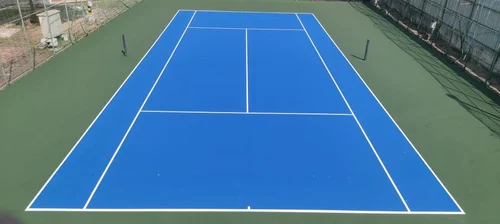
When you peel back the layers—figuratively speaking—of an acrylic tennis court, what you find is a carefully crafted blend of materials working together like a well-rehearsed orchestra. Each component plays a specific role, and removing even one could throw off the entire performance. That’s how precise this system is.
The primary ingredient is acrylic resin, which acts as the binding agent. This is what holds everything together and gives the surface its flexibility and durability. Acrylic resins are water-based, making them environmentally friendly compared to older solvent-based systems. They’re also resistant to UV rays, which means the court won’t fade or degrade quickly under constant sunlight exposure.
Then comes silica sand, a seemingly simple material that has a huge impact on gameplay. This sand is mixed into the acrylic coating to create texture. Without it, the surface would be too smooth and slippery. The amount and size of the sand particles can be adjusted to control the court’s speed. More sand generally means a slower court with higher friction, while less sand results in a faster playing surface.
Pigments are another crucial component. These are what give the court its distinctive color. But they’re not just for looks—they’re formulated to withstand weather conditions and maintain visibility over time. High-quality pigments ensure that the court remains vibrant even after years of use.
Additives and fillers are also included to enhance specific properties. Some improve elasticity, reducing stress on players’ joints. Others increase resistance to cracking or peeling. It’s a bit like customizing a car—you can tweak different elements to suit specific needs.
All these materials are combined in precise ratios to create a surface that’s not only durable but also optimized for performance. It’s this meticulous composition that makes acrylic tennis court flooring one of the most reliable options available today.
Layers Involved in Acrylic Court Construction
Building an acrylic tennis court isn’t a one-step process—it’s more like assembling a multi-layered system where each layer has a purpose. Missing or improperly applying even one layer can compromise the entire court, which is why professional installation is so critical.
The foundation begins with the base layer, typically made of asphalt or concrete. This layer provides structural stability and must be perfectly leveled. Any imperfections here will translate to the surface above, affecting ball bounce and player movement.
On top of the base, a primer or resurfacer layer is applied. This layer smooths out minor imperfections and prepares the surface for the acrylic coatings. Think of it as the primer you’d use before painting a wall—it ensures better adhesion and a more uniform finish.
Next come the cushion layers (if it’s a cushioned system). These layers are made from rubberized materials mixed with acrylic resins. They add shock absorption, making the court more comfortable for players, especially during long matches. This is particularly beneficial for reducing joint strain and preventing injuries.
After that, multiple color coating layers are applied. These layers contain the acrylic resin, pigments, and silica sand we talked about earlier. Usually, at least two coats are applied to ensure durability and consistent texture.
Finally, the court is finished with line markings, which are also made from specialized acrylic paint. These lines must meet strict dimensional standards and are designed to be as durable as the rest of the surface.
Each layer builds upon the previous one, creating a cohesive system that delivers both performance and longevity. It’s not just about making a court look good—it’s about engineering a surface that performs consistently day after day.
Types of Acrylic Tennis Court Surfaces
Cushion Acrylic Courts
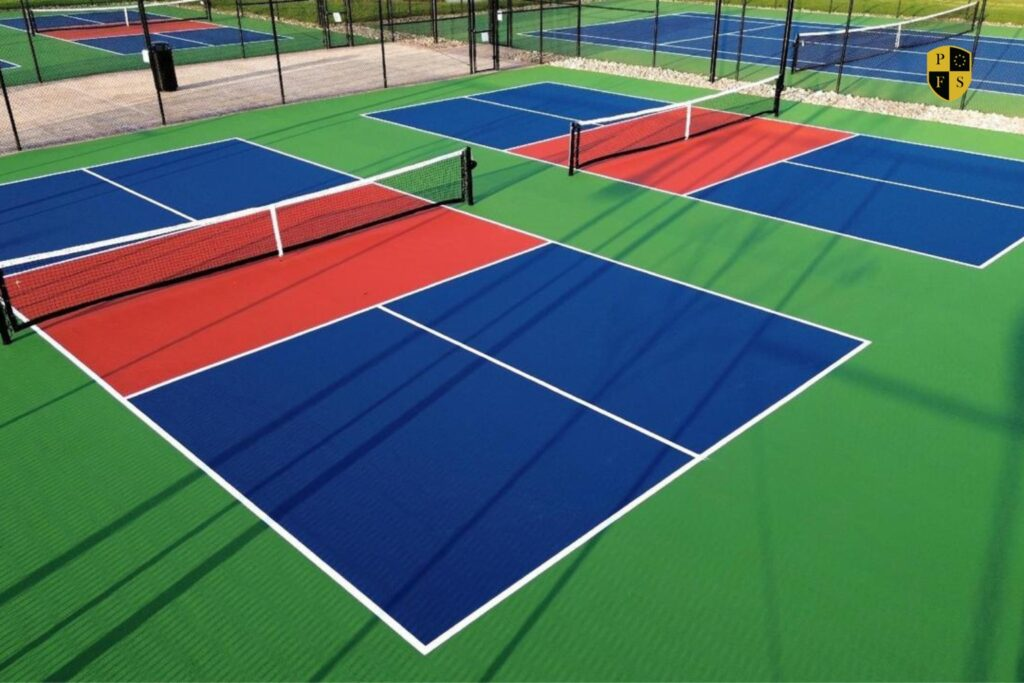
When players talk about comfort on a tennis court, they’re usually referring to cushion acrylic surfaces—and for good reason. These courts are specifically engineered to reduce impact stress on the body, making them a favorite for clubs, training facilities, and even professional tournaments where athletes spend hours on their feet. If standard acrylic courts are like running on pavement, cushioned acrylic courts feel more like running on a high-quality track—firm, yet forgiving.
The defining feature of a cushioned acrylic court is the inclusion of elastic, rubberized layers beneath the top acrylic coating. These layers act like shock absorbers, softening the impact every time a player sprints, stops, or pivots. This might not sound like a big deal at first, but over time, it significantly reduces strain on joints such as knees and ankles. For aging players or those recovering from injuries, this can be the difference between enjoying the game and sitting it out.
What’s interesting is how customizable these courts are. The number of cushion layers can vary depending on the desired level of softness. More layers mean greater shock absorption, but they can also slightly slow down the ball. This creates a unique playing experience where rallies tend to last longer, encouraging strategic gameplay rather than just raw power.
From a performance standpoint, cushioned courts still maintain excellent ball bounce consistency and surface grip. You’re not sacrificing playability for comfort—you’re enhancing it. That’s why many professional tournaments, including the Australian Open, use cushioned acrylic systems to strike that perfect balance between speed and player welfare.
Of course, this added comfort comes at a cost. Cushion systems are generally more expensive to install than standard acrylic courts. However, many facility owners see it as a worthwhile investment, especially when considering player satisfaction and reduced injury risk. It’s a classic case of paying a bit more upfront to gain long-term benefits.
Non-Cushioned Acrylic Courts
On the other end of the spectrum, you have non-cushioned acrylic courts, which are simpler in design but still incredibly effective. These courts consist of acrylic coatings applied directly over a concrete or asphalt base without any intermediate cushioning layers. While they may lack the softness of their cushioned counterparts, they make up for it with speed, durability, and affordability.
Non-cushioned courts are often described as “fast courts.” Because there’s no shock-absorbing layer to slow things down, the ball tends to move quicker across the surface. This makes them ideal for players who prefer an aggressive style of play—think powerful serves and fast rallies. If you enjoy a game where quick reflexes and precision matter most, this type of court delivers exactly that.
One of the biggest advantages here is cost efficiency. Without the additional cushion layers, installation is more straightforward and less expensive. This makes non-cushioned acrylic courts a popular choice for schools, public parks, and recreational facilities where budget constraints are a major consideration.
Durability is another strong point. These courts can withstand heavy usage and harsh weather conditions with minimal wear and tear. Maintenance is also relatively simple—routine cleaning and occasional resurfacing are usually enough to keep the court in top condition.
However, there’s a trade-off. The harder surface can be less forgiving on the body, especially during extended play sessions. Players may experience more fatigue or joint discomfort compared to cushioned courts. That said, many athletes actually prefer the firm feel because it provides a more direct connection to the surface, enhancing control and responsiveness.
In the end, choosing between cushioned and non-cushioned acrylic courts comes down to priorities—comfort versus speed, budget versus performance. Both have their place in the tennis world, and both deliver a high-quality playing experience in their own unique way.
Benefits of Acrylic Tennis Court Flooring
Durability and Longevity
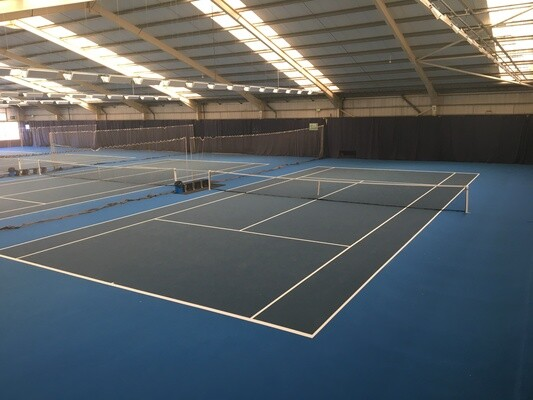
If there’s one area where acrylic tennis court flooring truly shines, it’s durability. These courts are built to last, and not just for a few seasons—we’re talking years of consistent performance with minimal degradation. This is one of the main reasons why acrylic surfaces dominate both recreational and professional tennis environments.
The secret lies in the material composition. Acrylic coatings are inherently resistant to UV radiation, moisture, and temperature fluctuations. Unlike some surfaces that crack under extreme heat or become brittle in cold conditions, acrylic courts maintain their integrity across a wide range of climates. This resilience ensures that the surface remains playable year-round, regardless of weather conditions.
Another factor contributing to longevity is the multi-layer construction. Each layer adds a level of protection, creating a system that can absorb wear and tear effectively. Even in high-traffic areas—like the baseline where players spend most of their time—the surface holds up remarkably well. And when signs of wear do appear, resurfacing can restore the court to near-original condition without the need for a complete rebuild.
From a financial perspective, this durability translates into long-term cost savings. While the initial installation might seem significant, the reduced need for repairs and replacements makes acrylic flooring a smart investment. According to industry estimates, a well-maintained acrylic tennis court can last up to 10–15 years before requiring major resurfacing, which is impressive compared to other surface types.
It’s also worth noting that durability doesn’t come at the expense of performance. The court maintains consistent bounce and traction over time, ensuring that players get the same experience year after year. This reliability is crucial, especially for competitive play where even minor inconsistencies can impact outcomes.
Low Maintenance Requirements
Let’s be honest—no one wants to spend more time maintaining a tennis court than actually playing on it. This is where acrylic flooring really stands out. Compared to other surfaces like clay or grass, acrylic courts are incredibly easy to maintain, making them a favorite among facility managers and homeowners alike.
Routine maintenance is surprisingly simple. Most of the time, all it takes is regular sweeping or blowing to remove debris like leaves and dirt. Occasional washing with water helps keep the surface clean and prevents the buildup of grime. Unlike clay courts, which require constant watering and rolling, acrylic surfaces don’t demand daily attention.
Another advantage is their resistance to mold and mildew. Because the surface is non-porous, it doesn’t retain moisture in the same way other materials might. This reduces the risk of slippery spots and keeps the court safer for players. In regions with high humidity, this can be a game-changer.
Repairs are also straightforward. Small cracks or worn areas can be patched without affecting the rest of the court. And when the surface starts to show signs of aging—usually after several years—a simple resurfacing process can bring it back to life. This involves applying new acrylic coatings over the existing surface, restoring both appearance and performance.
Here’s a quick comparison to put things into perspective:
| Surface Type | Maintenance Level | Frequency |
|---|---|---|
| Acrylic | Low | Occasional cleaning & resurfacing |
| Clay | High | Daily maintenance required |
| Grass | Very High | Constant care & mowing |
This low-maintenance nature doesn’t just save time—it also reduces ongoing costs. For schools, clubs, and municipalities, this can make a significant difference in budget planning.
Installation Process of Acrylic Tennis Courts
Surface Preparation
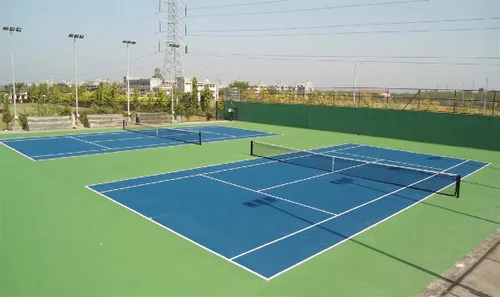
Before a single drop of acrylic coating touches the ground, the surface preparation phase sets the stage for everything that follows. Skipping or rushing this step is like building a house on a shaky foundation—it might look fine at first, but problems will surface sooner rather than later.
The process begins with constructing the base, typically using asphalt or concrete. This base must be perfectly level and properly cured. Even minor imperfections—like small cracks or uneven patches—can affect ball bounce and player movement. That’s why contractors take extra care to ensure the base meets strict standards.
Once the base is ready, it’s thoroughly cleaned to remove dust, oil, and debris. Any existing cracks are filled using specialized compounds, and low spots are leveled out. This step is crucial for creating a smooth, uniform surface that allows the acrylic layers to adhere properly.
Next comes the application of a resurfacer or primer layer. This acts as a bonding agent between the base and the acrylic coatings. It also helps seal the surface, preventing moisture from seeping through and causing damage over time.
What’s fascinating is how much precision is involved. Contractors often use laser-guided equipment to ensure perfect leveling. Environmental conditions—like temperature and humidity—are also closely monitored, as they can affect how materials cure and adhere.
By the time this stage is complete, the court may not look like much yet, but it’s structurally sound and ready for the transformation that comes next. It’s a bit like preparing a canvas before painting a masterpiece—the groundwork determines the final result.
Application of Acrylic Layers
Once the surface is properly prepared, the real magic begins—the application of acrylic layers. This is where the court starts to take shape, both visually and functionally. Each layer is applied with precision, and timing is critical to ensure proper bonding and curing.
The process typically starts with one or more base coats, which provide a uniform foundation. These are followed by additional layers that may include cushioning materials if a cushioned system is being installed. Each layer is allowed to dry before the next one is applied, creating a मजबूत, multi-layered structure.
Then come the color coatings, which give the court its distinctive appearance. These coatings are mixed with silica sand to create the desired texture. Contractors use specialized squeegees to spread the material evenly, ensuring consistent thickness across the entire surface.
Finally, the line markings are added using high-precision tools. These lines must meet official dimensions and are carefully measured to ensure accuracy.
The entire process can take several days to complete, depending on weather conditions and the complexity of the system. But once finished, the result is a high-performance tennis court that looks stunning and plays even better.
Cost of Acrylic Tennis Court Flooring
Factors Affecting Pricing
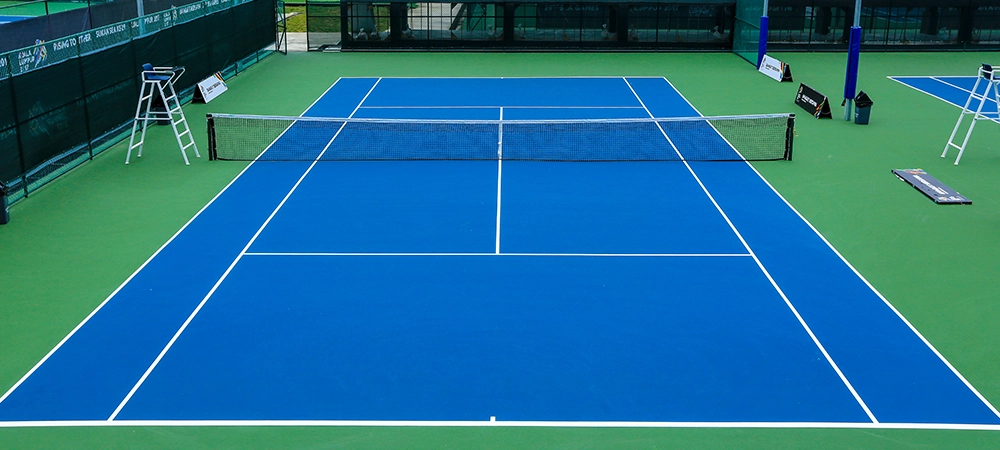
When it comes to installing an acrylic tennis court, the price tag isn’t as straightforward as a single number—it’s more like a sliding scale influenced by multiple variables. Think of it as customizing a car: the base model might be affordable, but once you start adding features, the cost adjusts accordingly. Understanding these factors can help you make smarter decisions and avoid unexpected expenses down the line.
One of the biggest cost drivers is the type of acrylic system you choose. A basic non-cushioned court is significantly less expensive than a cushioned system with multiple shock-absorbing layers. Each additional layer adds both material and labor costs, but it also enhances comfort and performance. So the question becomes: are you optimizing for budget or player experience?
The condition of the base surface is another crucial factor. If you already have a well-maintained concrete or asphalt base, installation costs drop considerably. However, if the base requires repairs, leveling, or complete reconstruction, expenses can increase dramatically. In some cases, preparing the base can account for nearly 30–40% of the total project cost.
Geographic location also plays a role. Labor costs, material availability, and even climate conditions can influence pricing. For instance, areas with extreme weather may require specialized materials or additional layers for durability, which can push costs higher.
Customization options—such as color combinations, logos, and court speed adjustments—can further impact the final price. While these features enhance aesthetics and branding, they come at an added cost.
Here’s a quick breakdown of key pricing factors:
- Type of system (cushioned vs non-cushioned)
- Base condition and preparation needs
- Labor and material costs in your region
- Customization and design elements
- Size and number of courts
On average, installing an acrylic tennis court can range from $25,000 to $80,000+, depending on these variables. While that might seem like a wide range, it reflects the flexibility of acrylic systems—you can scale the project to fit your specific needs and budget.
Cost Comparison Table
To put things into perspective, it helps to compare acrylic courts with other popular tennis surfaces. Each surface comes with its own set of costs, maintenance requirements, and long-term value. This comparison can give you a clearer picture of where acrylic flooring stands in the bigger landscape.
| Surface Type | Initial Cost | Maintenance Cost | Lifespan | Player Comfort |
|---|---|---|---|---|
| Acrylic | Medium | Low | 10–15 years | Medium to High |
| Clay | Medium | High | 5–10 years | High |
| Grass | High | Very High | 3–7 years | Very High |
| Synthetic Turf | Medium-High | Medium | 8–12 years | Medium |
Looking at the table, acrylic courts clearly strike a balance. They’re not the cheapest upfront, but their low maintenance costs and long lifespan make them one of the most cost-effective options over time. Clay courts, for example, may have similar installation costs but require constant upkeep, which adds up quickly. Grass courts, while luxurious, are often impractical for most facilities due to their high maintenance demands.
Another important consideration is return on investment (ROI). Acrylic courts tend to attract more players because of their consistent performance and lower downtime. This makes them ideal for clubs and facilities looking to maximize usage and revenue.
In practical terms, choosing acrylic flooring is like opting for a reliable, fuel-efficient car—it may not be the flashiest option, but it delivers consistent value over the long haul.
Maintenance Tips for Acrylic Tennis Courts
Cleaning and Repairs
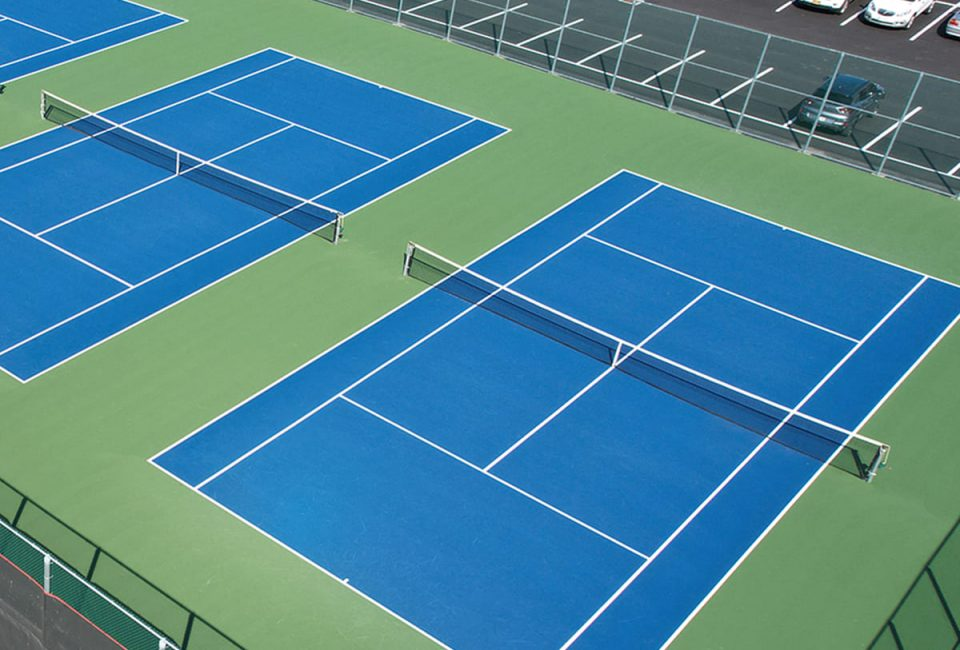
Keeping an acrylic tennis court in top shape doesn’t require a full-time maintenance crew, but it does benefit from consistent care. The good news? The process is straightforward and far less demanding than maintaining surfaces like clay or grass. With a few simple habits, you can extend the life of the court and preserve its performance.
Regular cleaning is the foundation of good maintenance. Over time, debris like leaves, dirt, and dust can accumulate on the surface, affecting both appearance and playability. Using a leaf blower, soft broom, or low-pressure washer can easily remove these elements. This not only keeps the court looking fresh but also prevents the buildup of مواد that could make the surface slippery.
Stains and minor discoloration can occur, especially in outdoor courts exposed to the elements. These can usually be treated with mild cleaning solutions specifically designed for acrylic surfaces. Harsh chemicals should be avoided, as they can damage the coating.
Cracks are something you’ll want to address early. While acrylic surfaces are durable, the underlying base (concrete or asphalt) can develop cracks over time. Small cracks can be filled using specialized repair materials, preventing them from spreading. Ignoring them is like ignoring a small leak in your roof—it might seem harmless at first, but it can lead to bigger problems later.
Another key aspect is drainage. Ensuring that water doesn’t pool on the surface is critical. Proper drainage systems should be maintained to prevent long-term damage.
Overall, maintenance is less about heavy labor and more about consistency. A little attention on a regular basis goes a long way in preserving the court’s quality.
Resurfacing Timeline
Even the most durable acrylic tennis court won’t last forever without some level of renewal. That’s where resurfacing comes into play. Think of it as giving your court a fresh coat of life—it restores both aesthetics and performance without the need for a complete rebuild.
Typically, acrylic courts require resurfacing every 4 to 8 years, depending on usage and environmental conditions. High-traffic courts—like those in clubs or public parks—may need it sooner, while residential courts can go longer between resurfacing cycles.
So, how do you know it’s time? There are a few telltale signs. Fading colors, reduced traction, and inconsistent ball bounce are all indicators that the surface is wearing down. You might also notice minor cracks or rough patches forming.
The resurfacing process involves cleaning the court, repairing any damage, and applying new layers of acrylic coating. This not only improves the look of the court but also restores its खेलने characteristics, ensuring a consistent and safe playing experience.
One of the biggest advantages of acrylic systems is how cost-effective resurfacing is compared to rebuilding. Instead of starting from scratch, you’re essentially refreshing the top layers, which saves both time and money.
From a planning perspective, scheduling resurfacing during off-peak seasons can minimize disruption. Facilities often choose to do this during cooler months or when usage is lower.
In the long run, resurfacing is less of an expense and more of an investment. It keeps the court performing at its best and extends its overall lifespan, ensuring that players continue to enjoy a high-quality experience.
Acrylic vs Other Tennis Court Surfaces
Acrylic vs Clay Courts
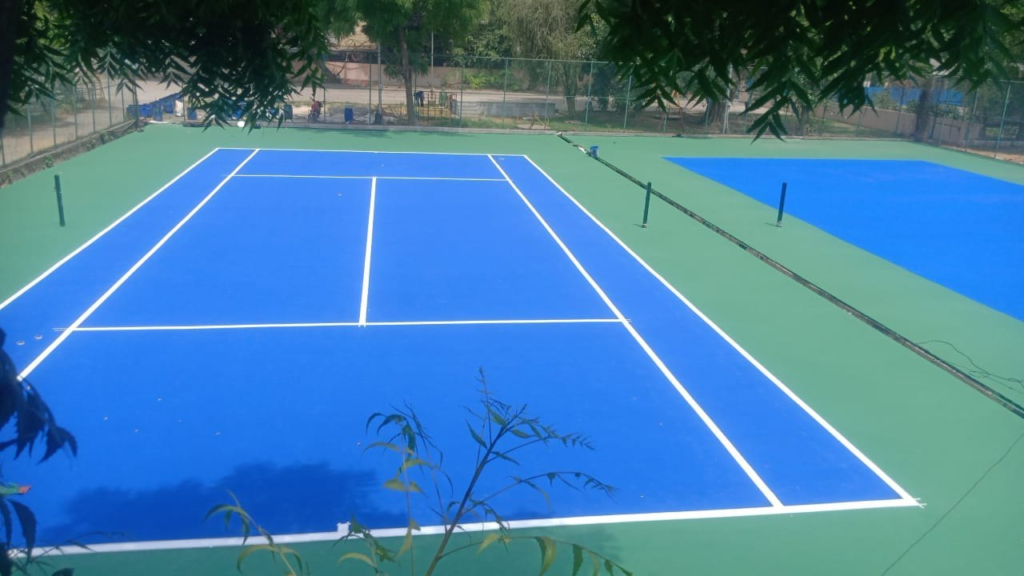
Comparing acrylic and clay courts is like comparing hard pavement to a sandy beach—each offers a completely different playing experience. Clay courts are known for their slow pace and high bounce, which encourages long rallies and strategic play. Acrylic courts, on the other hand, provide a faster, more predictable surface.
One of the biggest differences lies in maintenance. Clay courts require daily care, including watering, rolling, and line sweeping. Without this routine, the surface quickly becomes unplayable. Acrylic courts, by contrast, need only occasional cleaning and periodic resurfacing. This makes them far more practical for most facilities.
From a gameplay perspective, clay courts are easier on the body due to their softer surface. However, cushioned acrylic courts have narrowed this gap significantly, offering similar comfort with less upkeep.
Weather also plays a role. Clay courts can become muddy and unusable after rain, while acrylic courts are ready for play much sooner once dry. This reliability is a major advantage in regions with unpredictable weather.
Ultimately, while clay courts have a certain traditional charm, acrylic courts win in terms of convenience, durability, and versatility.
Acrylic vs Grass Courts
If clay courts are like beaches, then grass courts are like finely manicured gardens—beautiful but high-maintenance. Grass offers a unique playing experience with fast speeds and low ball bounce, but it comes with significant challenges.
Maintaining a grass court is labor-intensive. It requires constant mowing, watering, and pest control. Even slight neglect can lead to uneven surfaces and poor اللعب conditions. Acrylic courts, in comparison, are incredibly low-maintenance and far more durable.
Weather sensitivity is another issue. Grass courts can become slippery and dangerous when wet, while acrylic surfaces maintain better traction. This makes acrylic courts more reliable for year-round use.
Cost is also a major factor. Grass courts are among the most expensive to install and maintain, making them impractical for most facilities. Acrylic courts offer a more balanced approach, combining performance with affordability.
While grass courts have a certain prestige—think Wimbledon—they’re not the most practical choice for everyday use. Acrylic courts provide a more accessible and sustainable solution for the majority of players.
Conclusion
Acrylic tennis court flooring has firmly established itself as the backbone of modern tennis infrastructure. Its blend of durability, performance, and cost-effectiveness makes it a standout choice for everyone—from casual players to professional athletes. Whether you’re considering installing a new court or upgrading an existing one, acrylic systems offer the flexibility to tailor the surface to your exact needs.
What makes acrylic truly compelling is its balance. It doesn’t excel in just one area—it delivers across the board. You get consistent gameplay, manageable maintenance, and long-term value all wrapped into one system. And with options like cushioned layers and customizable textures, it’s easy to create a court that feels just right.
In a world where convenience and performance often compete, acrylic tennis court flooring manages to bring both together seamlessly. It’s not just a surface—it’s a smart investment in the future of the game.