
When it comes to building or upgrading a tennis court, the flooring is one of the most critical decisions you’ll make. The right tennis court flooring not only enhances the playing experience but also ensures durability, safety, and long-term value. Whether you’re constructing a court for professional tournaments, recreational use, or a private residence, the quality of the flooring can make or break the project.
But choosing the right flooring is only half the battle—the supplier you partner with plays an equally important role. A reliable supplier can guide you through the process, provide high-quality materials, and ensure proper installation, while a poor choice can lead to costly mistakes and subpar results.
In this blog, we’ll walk you through everything you need to know about selecting the perfect tennis court flooring supplier. From understanding your options to asking the right questions, this guide will help you make an informed decision and set your court up for success. Let’s dive in!
Table of Contents
Key Factors to Consider When Choosing a Tennis Court Flooring Supplier

Selecting the right supplier for your tennis court flooring is a crucial step in ensuring the success of your project. Here are the key factors to evaluate when making your decision:
1. Quality of Materials
- The durability and performance of your tennis court depend heavily on the materials used.
- Look for suppliers who offer high-quality, weather-resistant, and long-lasting flooring options.
- Check if their materials meet industry standards, such as ITF (International Tennis Federation) certifications.
2. Range of Flooring Options
- A good supplier should offer a variety of surfaces, including hard courts, clay courts, grass courts, and synthetic options.
- Ensure they can cater to your specific needs, whether it’s for professional play, recreational use, or multi-sport functionality.
3. Customization and Design Flexibility
- Does the supplier offer tailored solutions to match your court’s dimensions, color preferences, and branding needs?
- Customization can enhance the aesthetics and functionality of your court, so choose a supplier who can accommodate unique requests.
4. Experience and Reputation
- Partner with a supplier who has a proven track record in the industry.
- Research their portfolio of completed projects and check if they’ve worked on courts similar to yours.
- A well-established supplier is more likely to deliver consistent quality and reliable service.
5. Installation Services
- Some suppliers provide end-to-end solutions, including professional installation.
- Proper installation is critical to the performance and longevity of your court, so inquire if they have an experienced installation team or trusted partners.
6. Warranty and After-Sales Support
- A reputable supplier should stand behind their products with a solid warranty.
- Ask about their policies for repairs, maintenance, and customer support after the installation is complete.
7. Customer Reviews and Testimonials
- Look for reviews and testimonials from previous clients to gauge the supplier’s reliability and customer satisfaction.
- Positive feedback and repeat customers are strong indicators of a trustworthy supplier.
8. Budget and Pricing Transparency
- While cost is an important factor, avoid choosing a supplier solely based on the lowest price.
- Ensure the supplier provides clear and detailed pricing, including any additional costs for installation, delivery, or maintenance.
9. Sustainability and Eco-Friendly Options
- If environmental impact is a priority, check if the supplier offers sustainable or recyclable materials.
- Many modern suppliers now provide eco-friendly flooring options without compromising on quality.
10. Availability and Lead Time
- Confirm the supplier’s ability to deliver materials within your project timeline.
- Delays in delivery can disrupt your schedule, so choose a supplier known for timely and efficient service.
By carefully evaluating these factors, you can confidently choose a supplier who will not only meet your expectations but also ensure the success of your tennis court project.
Questions to Ask Potential Tennis Court Flooring Suppliers
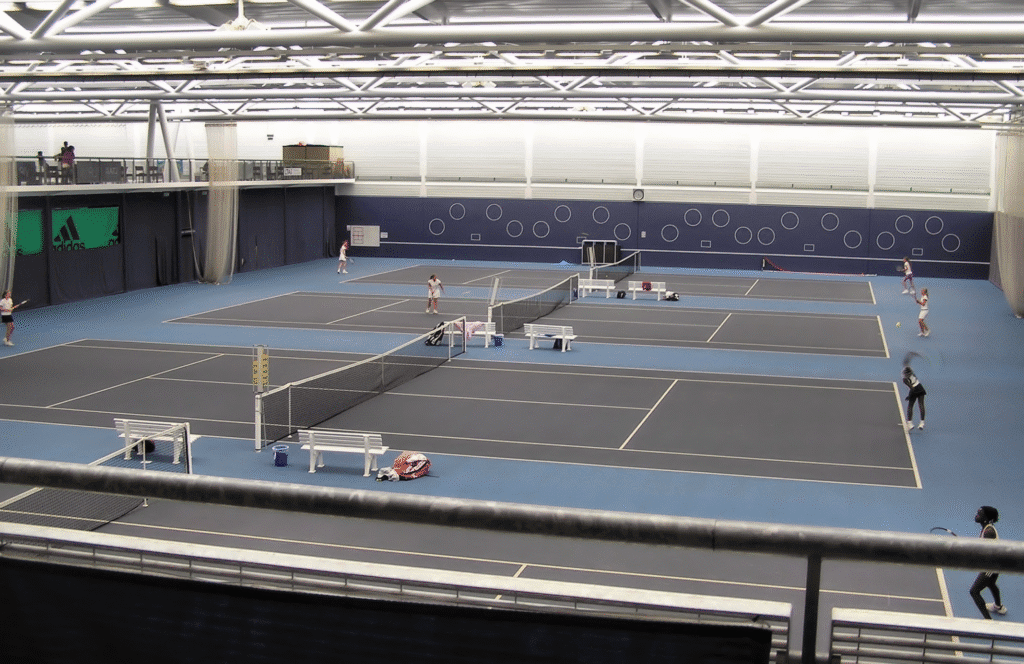
To ensure you’re partnering with the right supplier for your tennis court flooring project, it’s essential to ask the right questions. Here’s a list of key inquiries to help you evaluate potential suppliers:
1. What Types of Tennis Court Surfaces Do You Offer?
- Understand the range of flooring options they provide (e.g., hard courts, clay courts, synthetic surfaces).
- Ask about the pros and cons of each surface and which one they recommend for your specific needs.
2. Are Your Materials Certified or Tested?
- Check if their products meet industry standards, such as ITF (International Tennis Federation) certifications.
- Inquire about any testing or quality assurance processes they follow to ensure durability and performance.
3. Do You Provide Installation Services?
- Some suppliers offer end-to-end solutions, including professional installation.
- If they don’t install, ask if they can recommend trusted installation partners.
4. What Is Your Warranty Policy?
- Understand what is covered under their warranty (e.g., material defects, wear and tear, installation issues).
- Ask about the duration of the warranty and how claims are handled.
5. Can You Provide References or Case Studies?
- Request examples of past projects, especially ones similar to yours.
- Reach out to previous clients to get firsthand feedback on their experience with the supplier.
6. What Maintenance and Repair Services Do You Offer?
- Ask if they provide ongoing maintenance or repair services to keep your court in top condition.
- Inquire about the cost and frequency of maintenance for the type of flooring you’re considering.
7. How Long Will Delivery and Installation Take?
- Confirm their lead times for delivering materials and completing installation.
- Ensure their timeline aligns with your project schedule to avoid delays.
8. Do You Offer Customization Options?
- If you have specific design preferences (e.g., court colors, branding, or unique dimensions), ask if they can accommodate them.
- Customization can enhance the aesthetics and functionality of your court.
9. What Is the Total Cost, and Are There Any Hidden Fees?
- Request a detailed breakdown of costs, including materials, installation, delivery, and any additional services.
- Ensure there are no unexpected charges that could inflate your budget.
10. Do You Offer Eco-Friendly or Sustainable Flooring Options?
- If sustainability is important to you, ask about environmentally friendly materials or processes they use.
- Check if their products are recyclable or made from sustainable resources.
11. How Do You Handle Customer Support?
- Ask about their process for addressing issues or concerns after the sale.
- A supplier with strong customer support can save you time and stress in the long run.
12. What Sets You Apart from Other Suppliers?
- This open-ended question can reveal unique advantages or qualities that make the supplier stand out.
- It’s a great way to gauge their confidence and expertise.
By asking these questions, you’ll gain valuable insights into the supplier’s capabilities, reliability, and suitability for your project. A thorough evaluation will help you make an informed decision and ensure your tennis court flooring is in the best hands.
Experience and Reputation: Why They Matter When Choosing a Tennis Court Flooring Supplier
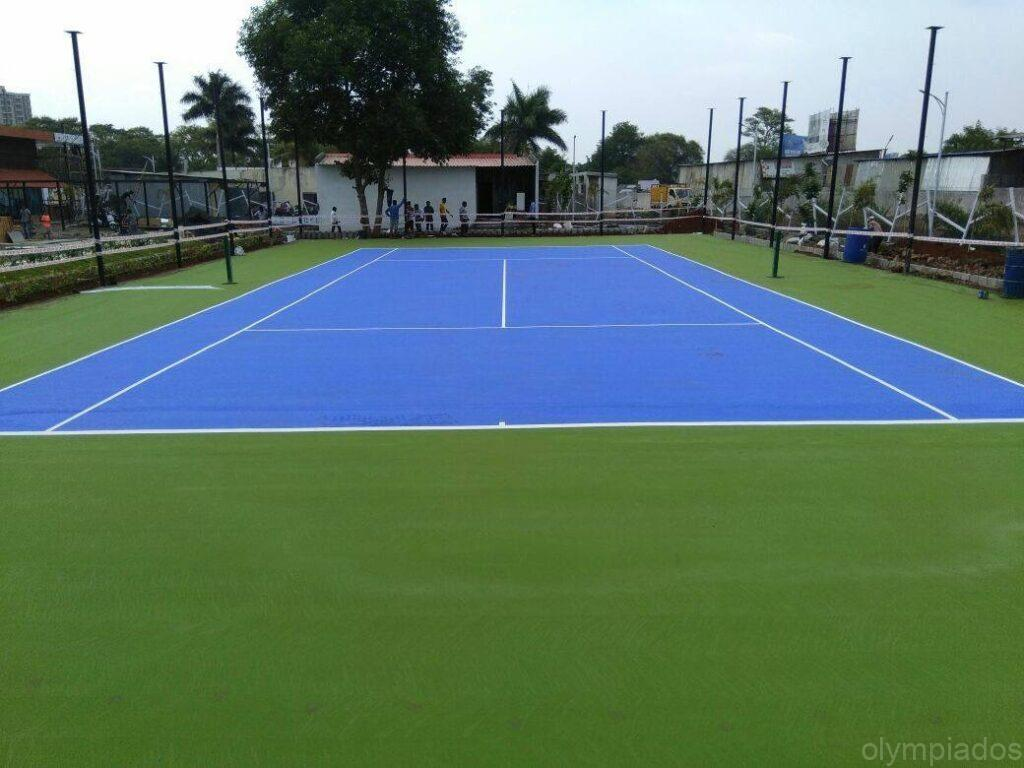
When it comes to selecting a supplier for your tennis court flooring, experience and reputation are two of the most critical factors to consider. Here’s why they matter and how to evaluate them effectively:
Why Experience Matters
- Proven Track Record
- A supplier with years of experience has likely encountered and solved a variety of challenges, making them better equipped to handle your project.
- They understand the nuances of different flooring types, installation techniques, and maintenance requirements.
- Expert Guidance
- Experienced suppliers can provide valuable advice on choosing the right surface for your needs, whether it’s for professional tournaments, recreational use, or multi-sport functionality.
- They can anticipate potential issues and recommend solutions to ensure a smooth process.
- Quality Assurance
- Suppliers with a long history in the industry are more likely to offer high-quality materials and services.
- Their longevity often reflects their ability to consistently meet customer expectations.
Why Reputation Matters
- Trust and Reliability
- A strong reputation indicates that the supplier is dependable and delivers on their promises.
- Positive reviews and testimonials from past clients can give you confidence in their ability to meet your needs.
- Customer Satisfaction
- A supplier with a good reputation is more likely to prioritize customer satisfaction, offering excellent service and support throughout the project.
- They are also more likely to stand behind their products with warranties and after-sales service.
- Industry Recognition
- Awards, certifications, or partnerships with reputable organizations can be a sign of a supplier’s credibility and expertise.
- Look for suppliers who are recognized by industry bodies like the International Tennis Federation (ITF).
How to Evaluate Experience and Reputation
- Review Their Portfolio
- Ask for examples of past projects, especially ones similar to yours.
- Look for diversity in their work, such as courts for different levels of play (e.g., professional, recreational, residential).
- Check Client Testimonials and Reviews
- Read online reviews and testimonials to get a sense of customer satisfaction.
- Reach out to previous clients if possible to ask about their experience.
- Research Their History
- Find out how long the supplier has been in business and their areas of specialization.
- A well-established supplier is more likely to have the expertise and resources needed for your project.
- Ask for References
- Request contact information for past clients who can vouch for the supplier’s work.
- Speaking directly with references can provide valuable insights into their reliability and professionalism.
- Look for Industry Affiliations
- Check if the supplier is affiliated with or certified by reputable organizations in the sports or construction industries.
- This can be a sign of their commitment to quality and best practices.
Red Flags to Watch For
- Lack of a portfolio or unwillingness to share past projects.
- Negative reviews or unresolved complaints from previous clients.
- Limited experience with the type of court or flooring you need.
- Overpromising without clear evidence to back up their claims.
By choosing a supplier with a solid track record and a strong reputation, you can ensure that your tennis court flooring project is in capable hands. Their expertise and reliability will not only make the process smoother but also result in a court that meets your expectations for quality and performance.
Benefits of Partnering with a Reliable Tennis Court Flooring Supplier
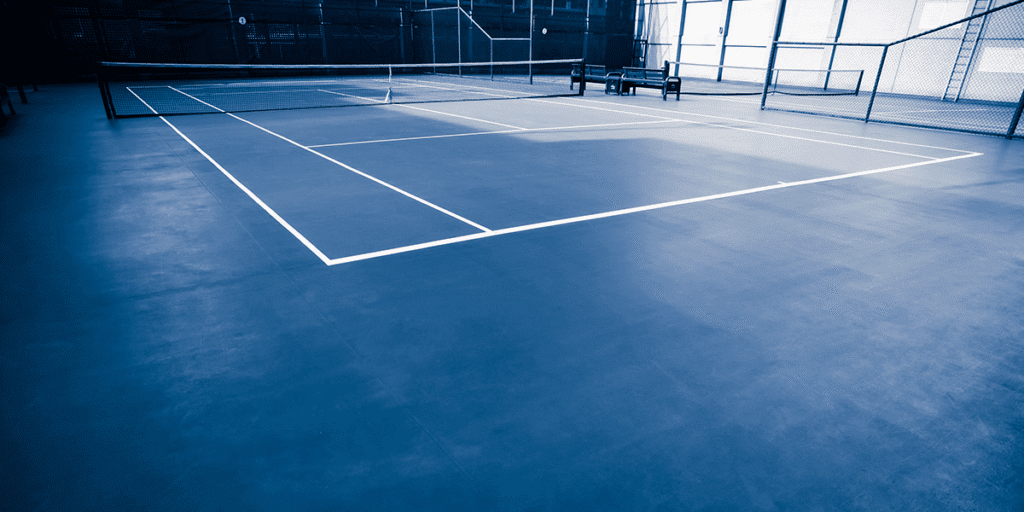
Choosing the right supplier for your tennis court flooring is more than just a transaction—it’s a partnership that can significantly impact the success of your project. Here are the key benefits of working with a reliable supplier:
1. High-Quality Materials
- A trustworthy supplier ensures that you receive durable, high-performance materials that meet industry standards.
- Quality materials enhance the court’s longevity, safety, and overall playing experience.
2. Expert Guidance and Support
- Reliable suppliers bring years of expertise to the table, helping you choose the best flooring option for your specific needs.
- They can provide valuable advice on installation, maintenance, and customization to ensure your court performs at its best.
3. Customization Options
- A dependable supplier offers tailored solutions, from court dimensions to color schemes and branding.
- Customization ensures your court aligns with your vision and meets the unique requirements of your players or facility.
4. Professional Installation Services
- Many reputable suppliers provide or partner with experienced installation teams to ensure the flooring is installed correctly.
- Proper installation minimizes the risk of issues like uneven surfaces or premature wear and tear.
5. Long-Term Cost Savings
- Investing in high-quality materials and professional installation reduces the need for frequent repairs or replacements.
- A reliable supplier helps you avoid hidden costs and ensures you get the best value for your budget.
6. Warranty and After-Sales Support
- Reputable suppliers stand behind their products with comprehensive warranties.
- They also offer ongoing support for maintenance, repairs, and any issues that may arise, giving you peace of mind.
7. Timely Delivery and Project Management
- A reliable supplier values your time and ensures materials are delivered on schedule.
- Their efficient project management helps you stay on track and avoid costly delays.
8. Access to the Latest Innovations
- Established suppliers often stay updated on industry trends and advancements, offering cutting-edge flooring solutions.
- This includes eco-friendly materials, advanced shock absorption technologies, and multi-sport surface options.
9. Enhanced Player Experience
- High-quality flooring from a trusted supplier improves the court’s performance, safety, and aesthetics.
- Players benefit from a consistent and enjoyable playing experience, whether they’re professionals or recreational users.
10. Peace of Mind
- Partnering with a reliable manufacturer eliminates the stress of dealing with subpar materials or unprofessional service.
- You can focus on other aspects of your project, knowing your court flooring is in capable hands.
By choosing a reliable supplier, you’re not just investing in materials—you’re investing in the success and longevity of your tennis court. Their expertise, quality products, and commitment to customer satisfaction will ensure your project exceeds expectations.
Conclusion
Choosing the right tennis court flooring manufacturers is a critical step in creating a court that is durable, high-performing, and visually appealing. From providing top-quality materials to offering expert guidance and reliable support, the right supplier can make all the difference in the success of your project.
By carefully evaluating factors like experience, reputation, material quality, and customer service, you can ensure that your investment pays off in the long run. A reliable supplier not only delivers exceptional products but also becomes a trusted partner, helping you navigate every step of the process—from selection to installation and beyond.
Remember, a well-built tennis court is more than just a playing surface; it’s a space that fosters enjoyment, competition, and community. So, take the time to research, ask the right questions, and choose a supplier who aligns with your vision and goals.
Ready to get started? Reach out to a trusted tennis court flooring supplier today and take the first step toward building the court of your dreams!
FAQ’s
What types of tennis court flooring do you offer?
We provide a variety of flooring options, including acrylic, synthetic, clay, and grass surfaces, tailored to meet your specific needs.
How do I choose the right tennis court flooring?
The choice depends on factors like usage, budget, maintenance preferences, and whether the court is indoor or outdoor. Our experts can guide you through the selection process.
Do you offer installation services?
Yes, we provide professional installation services to ensure your tennis court flooring is installed correctly and meets industry standards.
How durable is your tennis court flooring?
Our flooring solutions are designed for long-lasting performance, withstanding heavy use and various weather conditions.
Can you customize the court flooring to match specific requirements?
Absolutely! We offer customization options, including color, surface texture, and court markings, to meet your unique needs.